
Last updated November 3, 2026
 Wrought iron
 Wood & steel frame
 Farm & ranch
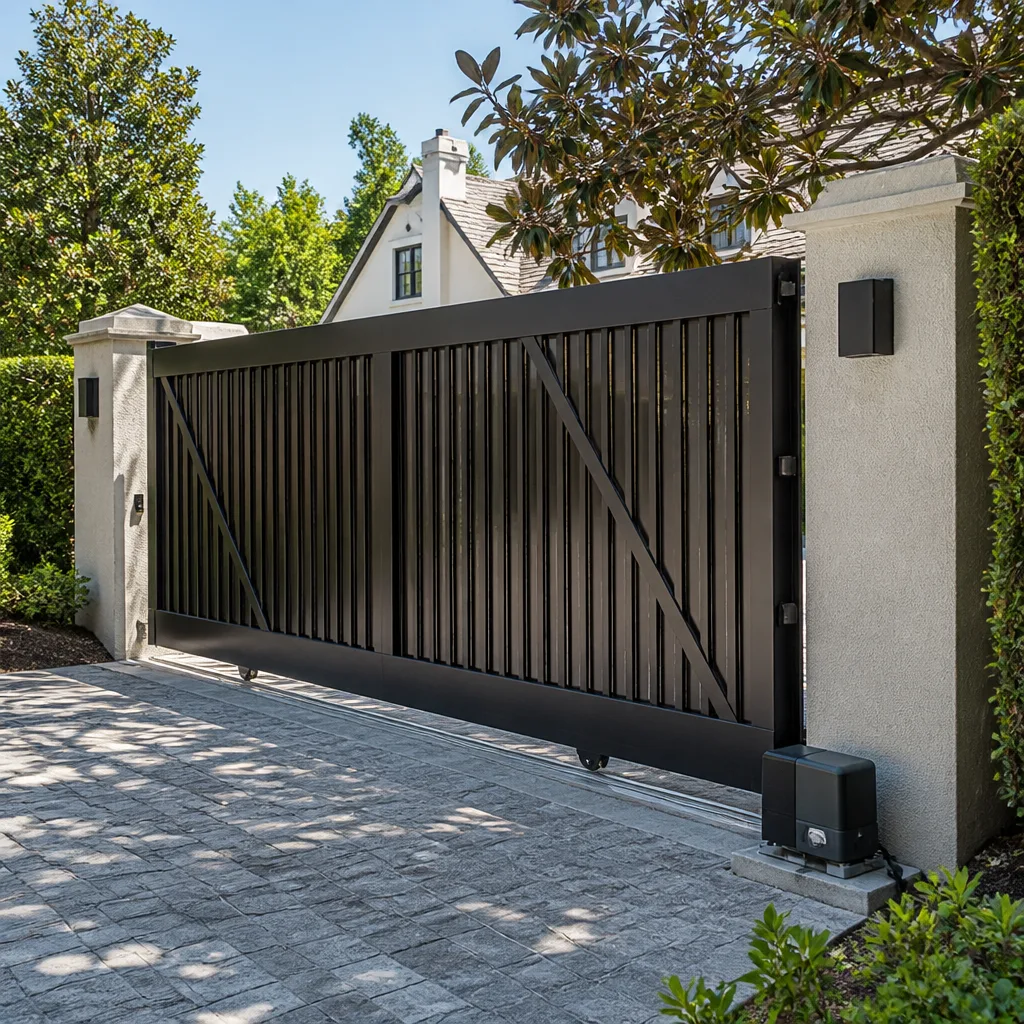 Sliding driveway gates
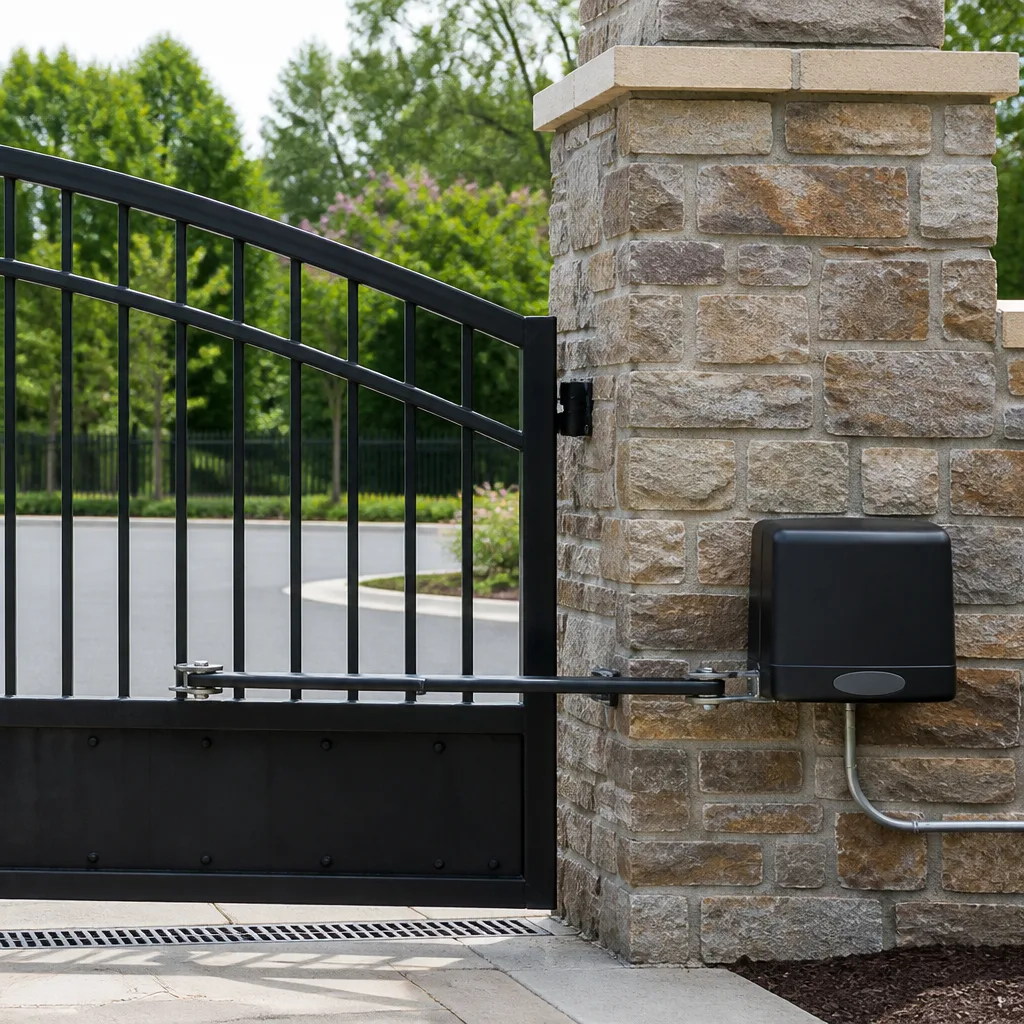 LiftMaster operators
Free on-site gate assessment - hinges, posts, and your LiftMaster or Nice gate operator checked before anything is quoted
The assessment is free and the quote is the invoice.
Get your free estimateThe Complete Gate Repair Guide for Oxnard Homeowners
A gate installed three blocks from the Oxnard Harbor corrodes at roughly twice the rate of the same model installed inland near Camarillo. Most homeowners discover this after the operator board fails, not before. This guide maps every common gate failure in Oxnard to the specific environmental condition that causes it, so you can diagnose problems early, understand what a repair actually involves, and know when a service call will save you from a full replacement. For The Complete Guide to Gate Repair in Oxnard, see our detailed resource.
Styles & brands we work with
- Wrought iron
- Wood & steel frame
- Farm & ranch
- Sliding driveway gates
- LiftMaster operators
Quick Answer
Our Gate Repair services in Oxnard typically cost between $180 and $650 depending on whether the failure is mechanical (hinges, wheels, track alignment) or electrical (control board, motor, sensors, wiring). Salt air corrosion and marine layer humidity are the two biggest contributors to premature gate failure in Oxnard, and addressing them early is the single most effective way to extend the life of your system. Most repairs are completed the same day once parts are confirmed, though older or badly corroded systems may require ordering brand-specific components.
Table of Contents
- How Oxnard’s Coastal Climate Damages Gate Hardware
- The Most Common Gate Failures in Oxnard and What Causes Them
- Brand-by-Brand Durability in Coastal Conditions
- What a Gate Repair Actually Involves
- Permit Requirements for Gate Work in Oxnard
- Seasonal Maintenance Calendar for Oxnard Gates
- When a Repair Is Actually a Redesign
- Common Mistakes to Avoid
- When to Call a Professional
- Frequently Asked Questions
- The Bottom Line
How Oxnard’s Coastal Climate Damages Gate Hardware
Oxnard sits directly on the Pacific, and the marine environment does not treat metal gently. Three conditions work together here: airborne salt from ocean spray, persistent humidity from the marine layer, and intense UV exposure during the long dry season. Each attacks different gate components at different rates, which is why two gates on the same street can fail in completely different ways depending on their distance from the water and their exposure to afternoon sun.
Salt air is the most aggressive factor. It settles on exposed metal surfaces and accelerates galvanic corrosion wherever dissimilar metals touch. The terminals on a control board, the pins in a wiring harness, the zinc coating on gate hinges, and the battery connections on a solar-powered operator all corrode faster within a mile of the Oxnard shoreline. We routinely see circuit boards from Silver Strand and Hollywood Beach properties with green oxidation on the solder joints, a failure pattern that is rare in homes east of the 101.
Marine layer humidity is the second issue. During May and June, the cloud deck sits over Oxnard for weeks at a time, keeping relative humidity above 80 percent for hours each morning. Condensation forms inside operator housings that were never sealed properly, and that moisture sits on the control board. Over time it creates the same kind of damage you would expect from a slow water leak, even though the gate never gets rained on directly.
UV exposure is the third factor, and it is one most people do not associate with gate failure. The plastic gears inside consumer-grade operators turn brittle after four or five years of direct sun, and wire insulation on exposed runs cracks and flakes. A gate that faces southwest in Oxnard gets hammered by afternoon sun, and the internal temperature of an operator housing can exceed 140 degrees in July. Heat accelerates the chemical reactions that cause corrosion, so a sunny coastal gate fails on a faster clock than a shaded inland one.
The Most Common Gate Failures in Oxnard and What Causes Them
Most gate failures in Oxnard fall into six categories. Knowing which one you are dealing with saves time on the phone and gives you a realistic expectation of repair cost. Here is what we see most often, in rough order of frequency:
- Control board failure from corrosion or moisture. The board is the brain of the operator. Salt corrosion on the terminals or condensation inside the housing causes intermittent operation first, then complete failure. This is the single most common repair we make in Oxnard, especially on properties within two miles of the coast.
- Sensor misalignment or photo-eye failure. Safety sensors get knocked out of alignment, covered in dust and salt film, or their wiring corrodes at the connector. The gate reverses or refuses to close.
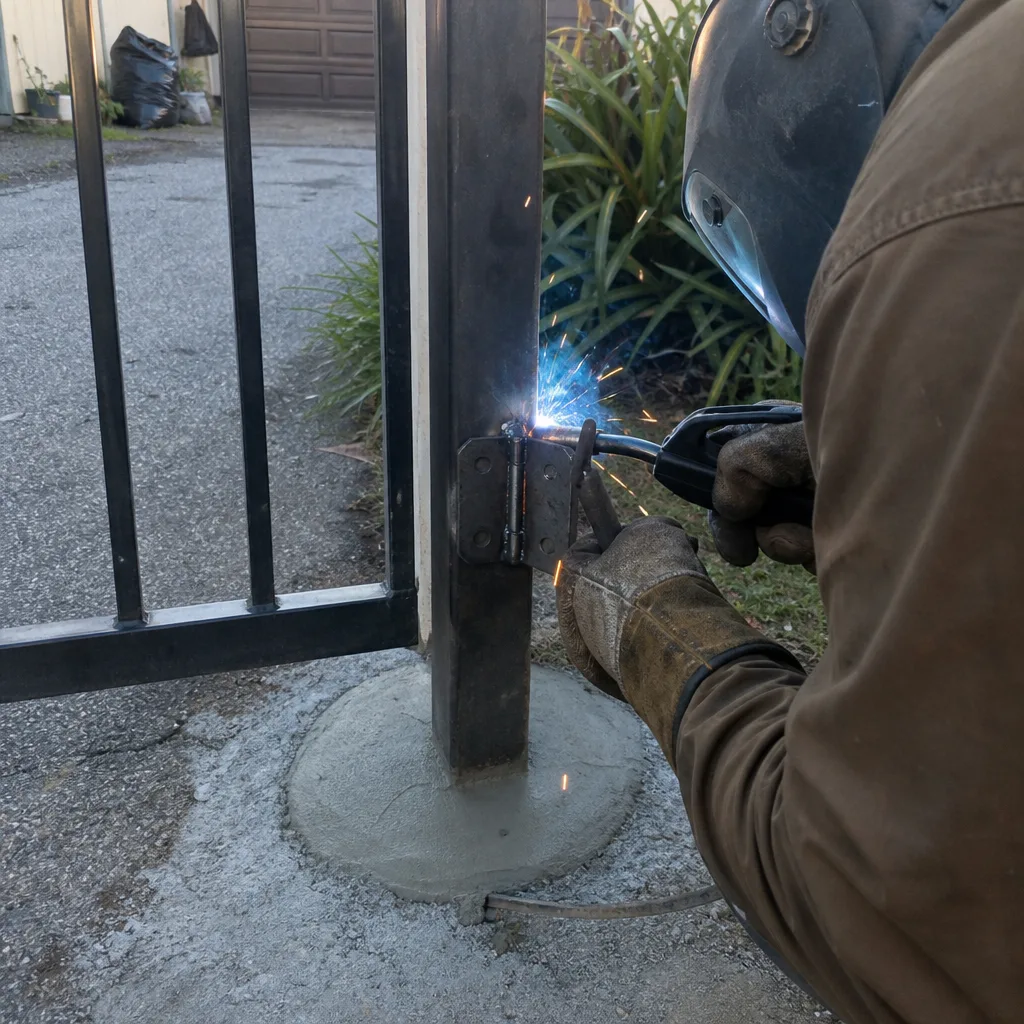
- Worn or seized gate hinges. The weight of the gate sits on the hinges, and salt air attacks the metal-on-metal contact points. A gate that starts to sag or scrape is the early warning sign.
- Track and wheel issues on slide gates. Debris, sand, and salt accumulation in the track causes the gate to bind. The wheel bearings eventually wear flat, and the gate jerks instead of gliding.
- Motor burnout from system strain. When a gate binds due to hinge wear, track issues, or wind load, the motor works harder to move it. Eventually the motor overheats and fails. The motor usually is not the root cause, just the part that finally gave out.
- Battery failure on solar-powered operators. Solar gates in Oxnard use batteries that degrade faster in heat and fail outright when the terminals corrode. A gate that works in the afternoon but not in the morning usually has a failing battery.
Each of these has a specific environmental trigger in Oxnard. The control board issue tracks with marine layer exposure. The hinge and track issues track with salt air. The battery failure tracks with UV and heat. Recognizing that pattern is what allows us to fix the cause, not just swap the failed part.
Brand-by-Brand Durability in Coastal Conditions
Not all gate operators hold up the same way in Oxnard’s climate. We work on nine major brands, and the difference in how they age in a coastal environment is substantial. Consumer-grade operators sold at big-box stores are built to a price point, and that shows up first in the quality of the control board coating and the gauge of the wiring harness. Professional-grade operators are built for decades of daily cycles, and their boards typically have better moisture protection from the factory.
Mighty Mule and Ghost Controls operators are the most common residential units we service in Oxnard. They are affordable and easy to install, which is why so many homeowners choose them. In coastal conditions, the failure points are predictable: the control board develops corrosion at the wiring terminals within three to five years, the plastic housing degrades in UV, and the battery terminals on solar models corrode quickly. These are not bad products, but they were not designed for salt air, and they need more diligent maintenance near the coast.
Professional-grade units from FAAC, LiftMaster, and Elite are a different story. The control boards are better sealed, the housings are thicker, and the internal components tolerate wider temperature swings. That does not make them immune to Oxnard conditions, but it does mean the failure timeline is longer. We work on LiftMaster operators throughout Oxnard, and most of the failures we see on those units are related to sensor alignment, limit switch adjustment, or years of accumulated salt on the external wiring. FAAC and Elite units, which are common on larger residential properties and commercial sites, hold up even better in coastal environments but require brand-specific diagnostic knowledge when they do fail.
The practical takeaway: if you live west of Oxnard Boulevard and you are choosing a new operator, the upfront savings on a consumer-grade unit often disappear within a few years of coastal exposure. Spending more on a better-sealed operator is not a luxury in Oxnard, it is a calculation based on how fast salt air ages the cheaper components.
What a Gate Repair Actually Involves
A Gate Repair in Oxnard takes longer than most homeowners expect, not because the work is difficult, but because the diagnosis is specific. A technician who replaces the first part that looks damaged without checking the rest of the system often creates a callback. Here is the process we follow on a typical service call:
- Listen to the symptom in your own words. The way you describe the problem, the gate makes a grinding noise, it opens but will not close, it stops halfway, tells us a lot before we touch anything.
- Inspect the mechanical structure first. Hinges, track, wheels, and gate alignment. If the structure is binding, no electronic fix will last.
- Check the operator and control board. Test power delivery, inspect the board for visible corrosion or burn marks, and verify the sensors are aligned and clean.
- Identify the root cause. This is the step that separates a brand-specific repair from a generic one. A Ghost Controls board failure looks different from a LiftMaster limit switch failure, and the fix is different too.
- Quote the repair before work begins. You know the price, and you approve it before any part is installed. No surprises on the invoice.
- Test the full cycle. Open, close, safety reversal, obstruction detection, and auto-close timing if applicable.
Most repairs we perform in Oxnard take between 45 minutes and two hours from arrival to completed test. Electric gate troubleshooting takes longer when the issue is intermittent, because the failure has to be observed or reproduced to be diagnosed correctly. If you want to know more about how we handle Electric Gate Repair in Oxnard, the process is the same structure-first diagnosis applied to the electrical system.
Permit Requirements for Gate Work in Oxnard
Oxnard does not require a permit for most gate repairs. Replacing hinges, aligning a track, swapping a control board, or installing a new operator on an existing gate are all classification as maintenance, and no city approval is needed. The line gets crossed when the work changes the structure or the electrical system in a way the city regulates.
Here is the threshold homeowners need to know: if the gate itself is being replaced, if the pillars or posts are being set in concrete, or if a new electrical run is being added from the panel to the gate, a permit is typically required. The City of Oxnard Building Division treats these as structural or electrical work, and the permit process ensures the installation meets current code for wind load, setback, and wiring safety.
The rule of thumb we give property owners: repairing the existing system is almost always permit-free. Replacing the gate structure, moving the gate location, or running new power to a gate that was previously manual is where you should expect city involvement. If you are planning a Gate Installation in Oxnard, the scope determines the paperwork. A like-for-like operator swap on an existing gate post does not trigger a permit. Setting new posts and pouring new footings does.
When a permit is required, the process usually takes one to two weeks for approval on a straightforward residential project. Commercial installations take longer due to additional review. We handle the permit application and coordination as part of larger installations, so the homeowner is not navigating city processes alone.
Seasonal Maintenance Calendar for Oxnard Gates
Oxnard’s weather pattern is specific: the June Gloom brings weeks of morning fog and high humidity, the summer brings intense UV and heat, the fall brings Santa Ana wind events that push sand and debris into tracks, and the winter brings periodic rain that flashes rust on exposed steel. Maintenance timed to each season extends the life of the system and prevents the cascading failures that lead to expensive operator replacements.
May through July, the marine layer season: Inspect the control board housing for moisture. Remove the cover, look for condensation or white residue on the board, and clean the terminals with contact cleaner if needed. Check that the weather seal on the housing is intact. This is the season when most board failures begin, and catching corrosion early is the difference between a cleaning and a board replacement.
August through October, the Santa Ana season: Clean the gate track and inspect the wheels or rollers. Santa Ana winds push sand and dry debris into slide gate tracks, and the accumulation binds the gate and strains the motor. Lubricate the hinges and pivot points with a marine-grade grease that resists salt and water. Check that the gate moves freely by hand in manual mode.
November through February, the rain season: Inspect exposed wiring for cracked insulation, especially the low-voltage wire running to keypads and safety sensors. Rain enters those cracks and corrodes the copper from the inside. Check solar panel mounts and battery terminals on solar operators, since the combination of rain and salt film accelerates terminal corrosion.
Year-round: Every three months, test the safety reversal. Place an object in the gate’s path and confirm the gate reverses on contact and on the photo-eye break. In Oxnard, a safety sensor that fails because of corroded wiring is a liability, not just an inconvenience. A tenant, a delivery driver, or a child can be injured by a gate that does not stop when it should.
When a Repair Is Actually a Redesign
Some gates in Oxnard fail repeatedly not because the components are defective, but because the original installation was wrong for the environment or the application. When a gate has been repaired three times for the same issue, the problem is usually systemic. Here is what that looks like in practice:
A manual gate that was automated with an undersized operator. The original gate is too heavy for the motor that drives it, so the motor burns out every couple of years. Replacing the motor again does not fix the problem, because the motor was never the failure point. The fix is either a larger operator or a lighter gate.
A swing gate installed with hinges that are too small for the gate leaf. The gate sags, scrapes the ground, and eventually bends the hinge posts. Replacing the hinges with the same size hardware just resets the clock on another failure. The fix is larger hinges, a structural reinforcement, or a gate rebuild.
A slide gate with a track set too low, so sand and debris accumulate faster than the homeowner can clean it. The gate binds, the motor strains, and the limit switches drift. Cleaning the track every month treats the symptom. Regrading the track or raising the gate treats the cause.
A gate installed without considering the wind load. Oxnard gets steady afternoon winds, and Santa Ana events push gusts through the corridors. A solid gate panel acts like a sail, and an operator that struggles against the wind wears out its gears and motor prematurely. The fix may be a vented panel, a stronger operator, or a different gate style entirely.
These situations are where experience with multiple brands and gate types matters. A technician who only knows how to replace parts will keep replacing parts. A technician who understands the system identifies the design flaw and fixes it.
Common Mistakes to Avoid
- Ignoring a gate that moves slower than it used to. A slowing gate is the motor working harder against increasing resistance. Waiting until it stops completely usually means replacing both the motor and the mechanical component that caused the strain.
- Spraying WD-40 on everything. WD-40 is a solvent, not a lubricant. It strips existing grease and leaves metal more vulnerable to Oxnard’s salt air. Use marine-grade grease on moving parts.
- Replacing the operator without checking the gate structure. A new operator on a binding gate will fail on the same timeline as the old one. The structure is the foundation, and the operator is the engine.
- Buying a replacement part without confirming the brand and model. A LiftMaster control board does not swap into a Ghost Controls housing. Ordering the wrong part wastes time and money, and returning electrical components is not always possible.
- Skipping the safety sensor test after working on the gate. If the sensors were knocked out of alignment during a hinge repair or track cleaning, the gate will not close. Worse, if the reversing function fails, the gate becomes dangerous. Test it after every adjustment.
- Doing DIY electrical work on an automated gate without disconnecting power. Gate operators run on 12 to 24 volts DC in most cases, but the transformer delivering power from the panel carries line voltage. Touching the wrong wire can cause serious injury. If you need to open the operator housing, cut the breaker first.
When to Call a Professional
Some gate issues are safe to handle yourself: cleaning the track, tightening loose bolts on the hinges, clearing debris from the photo-eye lenses. For a deeper look at this decision, read DIY vs Professional Gate Repair: The Oxnard Homeowner’s Decision Guide. But when the problem involves the control board, the motor, or the wiring, the stakes are higher than a weekend project. High-tension springs on some gate designs store enough energy to cause serious injury if released improperly, and electrical diagnostics on an energized board is not a learn-as-you-go activity.
Call a professional when the gate is not responding at all, when the operator hums but the gate does not move, when you see visible corrosion on the control board, or when your gate has had the same repair twice already. Gate Repair Oxnard offers free estimates in Oxnard. Call (833) 589-9922 to schedule a service call, and we will diagnose the issue and quote the repair before any work begins.
Frequently Asked Questions
Gate repair in Oxnard typically ranges from $180 for basic mechanical adjustments like hinge tightening and sensor realignment to $650 for control board replacement on a consumer-grade operator. Commercial-grade board replacements can run higher, depending on the brand. Every repair is quoted and approved before work begins, so you know the exact price before we start. Call (833) 589-9922 for a free estimate based on your specific gate and the symptoms you are seeing.
Most common repairs can be completed the same day, especially mechanical issues like hinge alignment, track cleaning, and sensor adjustment. If the repair requires a brand-specific control board or motor that is not in our stock, the part may need to be ordered, which typically takes two to five business days. When you call, we will tell you up front whether your repair is likely to be a same-day fix or parts-dependent.
Intermittent operation is usually caused by a corroded connection, a failing control board, or a battery on a solar system that is not holding a full charge. In Oxnard, the most common cause is moisture inside the operator housing creating a short that comes and goes with temperature and humidity changes. The intermittent failure will eventually become permanent, so diagnosing it early saves a full replacement.
We service gates from nine major operator brands, including LiftMaster, Ghost Controls, Mighty Mule, FAAC, BFT, Linear, Viking, DoorKing, and Elite. Whether it is a residential swing gate from Mighty Mule or a commercial slide gate running a DoorKing operator, we work on the specific equipment you have installed, not just generic motor units.
A full installation includes the gate structure, the posts and hardware, the operator, the safety sensors, the wiring, and the programming of the control board and any remotes or keypads. If the gate requires new power run from the panel, we coordinate that as part of the installation, including any permits that the City of Oxnard requires for new electrical work.
Yes. We run the low-voltage wiring from the transformer to the operator, install and align the photo-eye sensors and safety edges, and configure the reversing function on the control board. Proper safety edge wiring and sensor alignment are code requirements for automated gates in Oxnard, and we verify both before the installation is signed off.
The Bottom Line
A gate in Oxnard fails on a different timeline than a gate in Camarillo or Thousand Oaks. Salt air, marine layer humidity, and summer UV each attack specific components at predictable rates, and the homeowners who understand this are the ones who catch a corroded terminal before it becomes a dead control board. The most useful thing you can do is inspect your system seasonally, test the safety sensors regularly, and bring in a technician who knows your specific brand before a small issue becomes a full replacement. For more guides & resources, visit our blog. Repair is almost always cheaper than replacement, and diagnosis is always cheaper than guessing.
If your gate is acting up, slowing down, or stopped entirely, call (833) 589-9922 for a free estimate. We will tell you what is wrong, what it costs to fix, and whether it is worth repairing before we touch a single component.
Written by the team at Gate Repair Oxnard, serving Oxnard since 2017.
See the difference
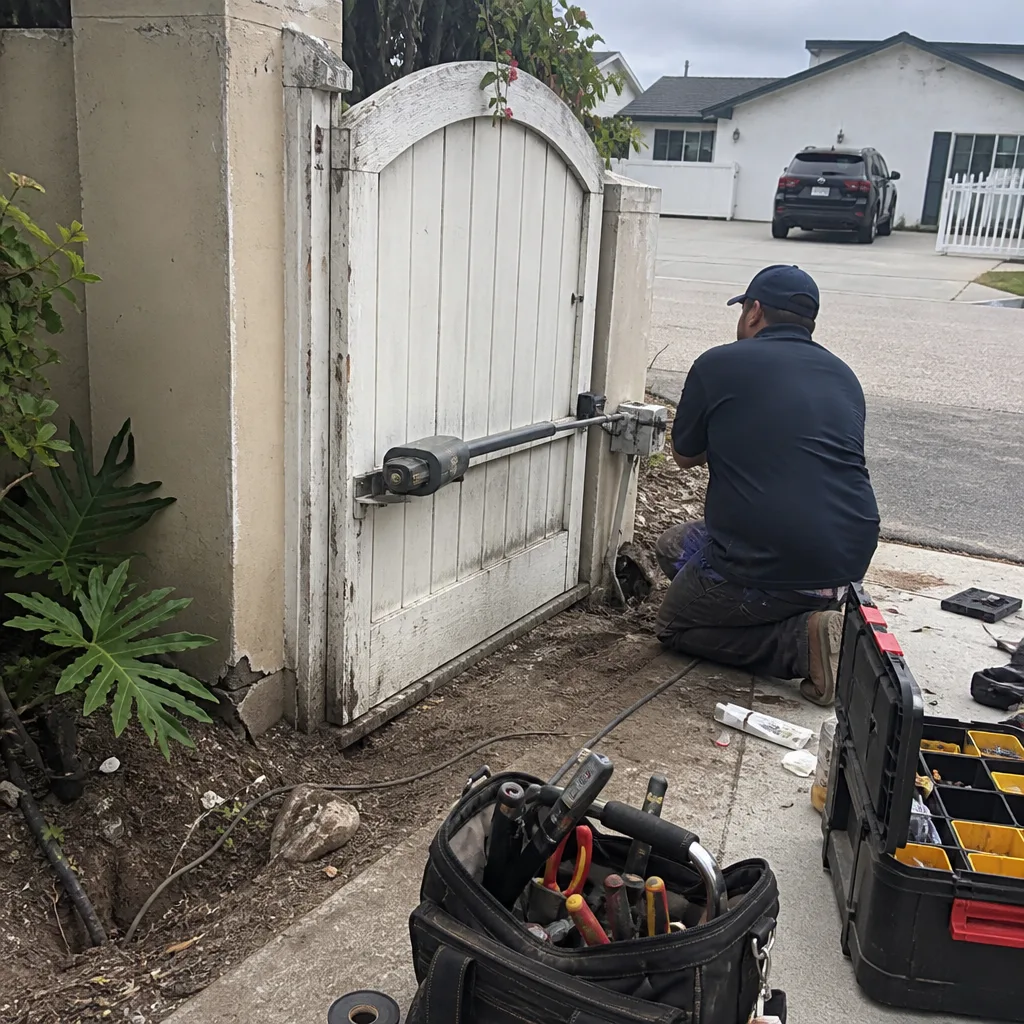 Before
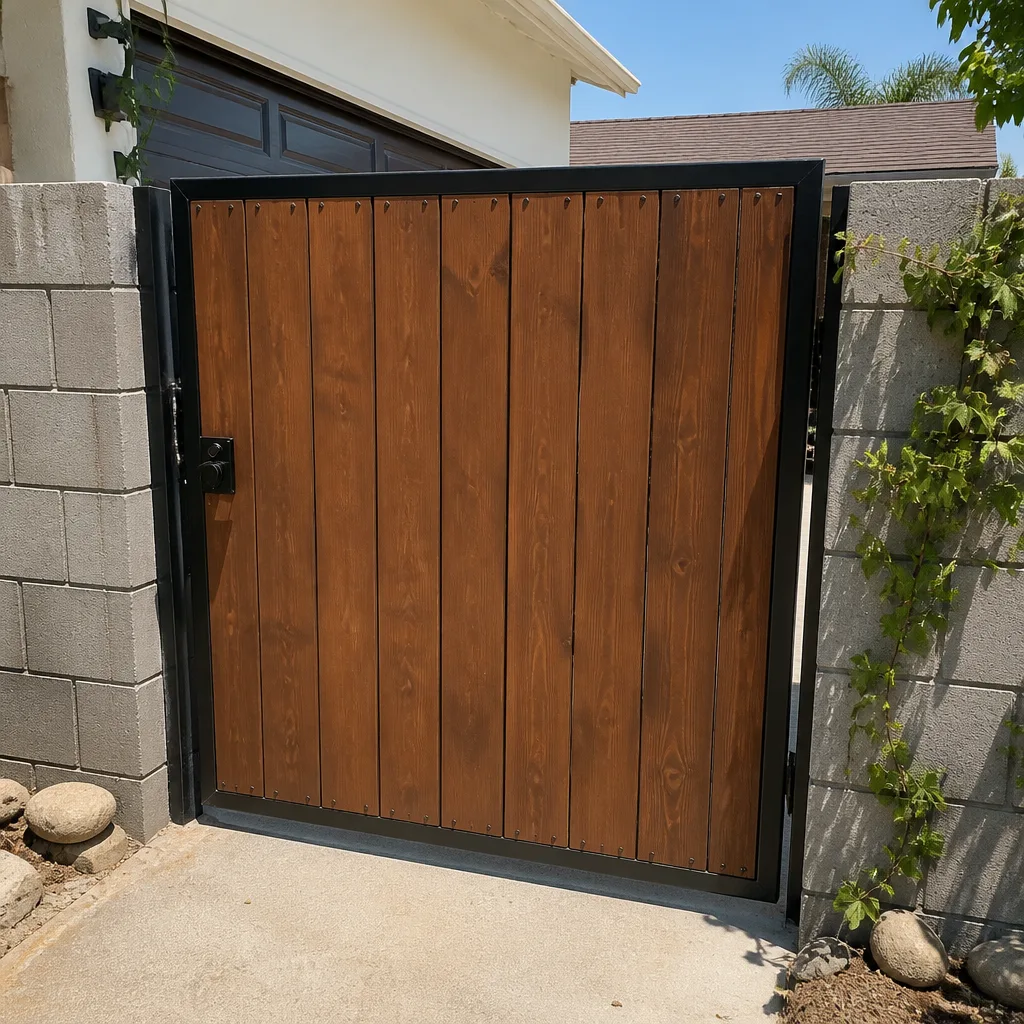 After
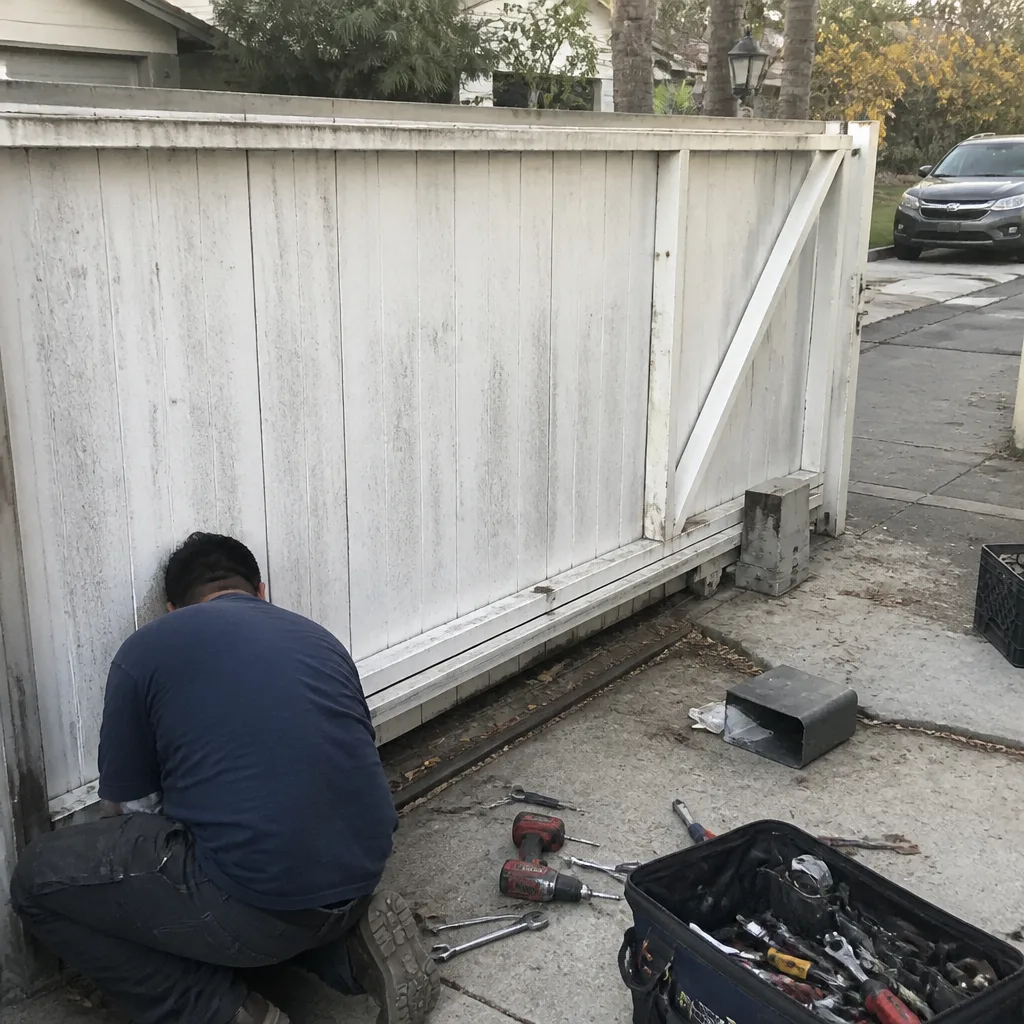 Before
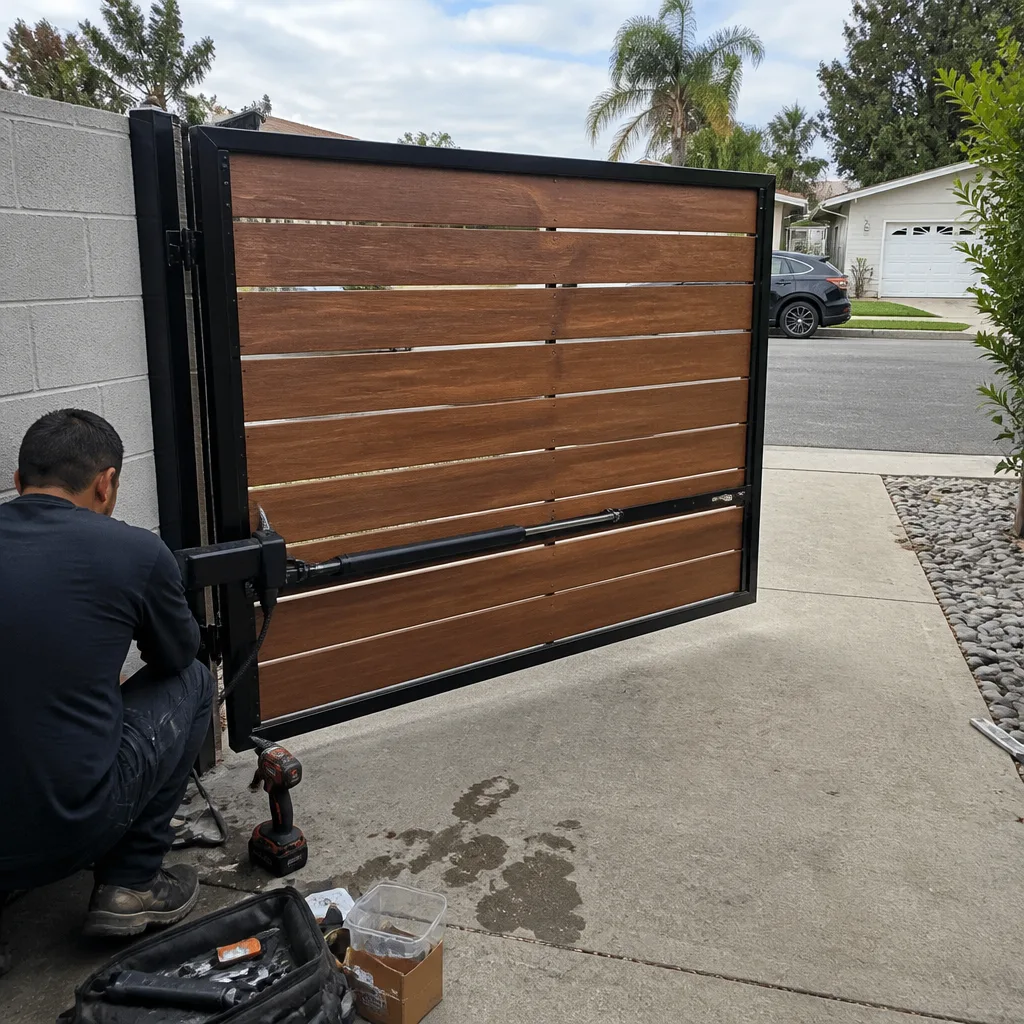 After
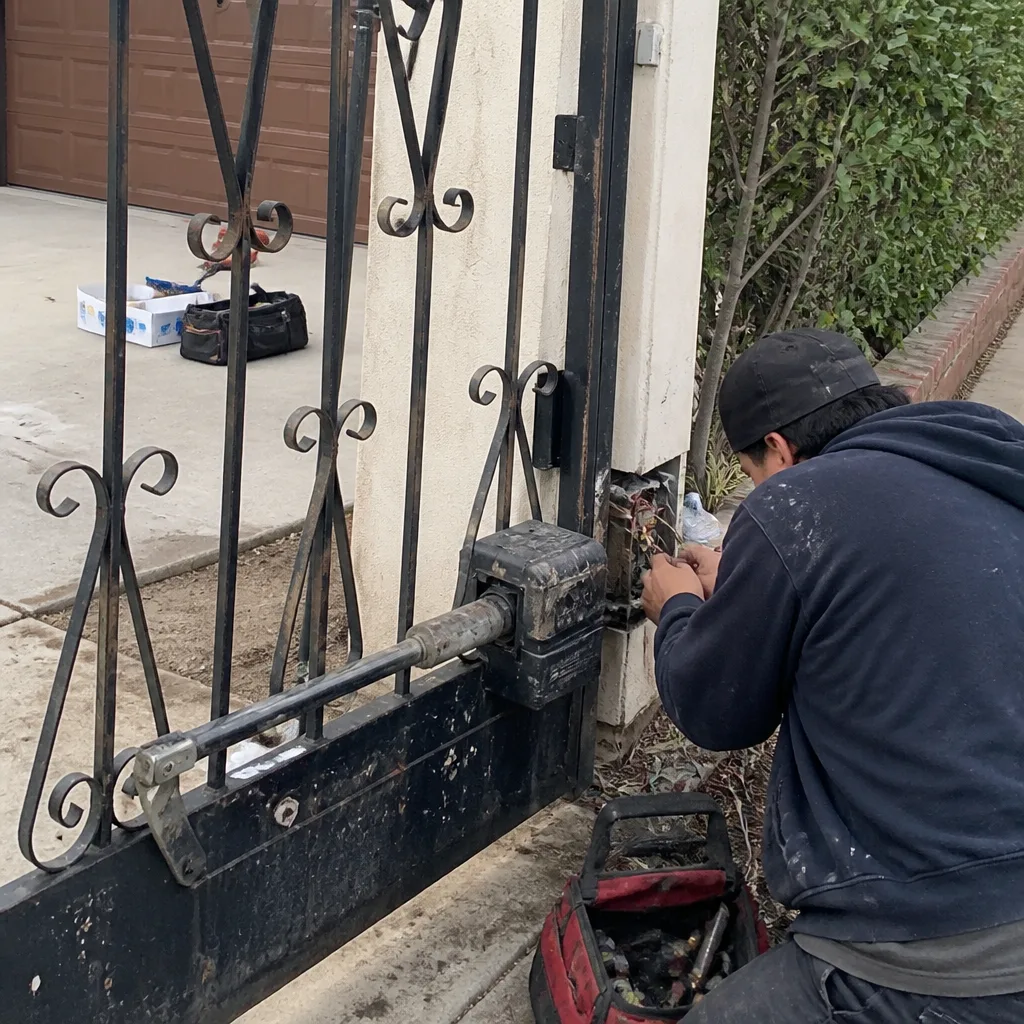 Before
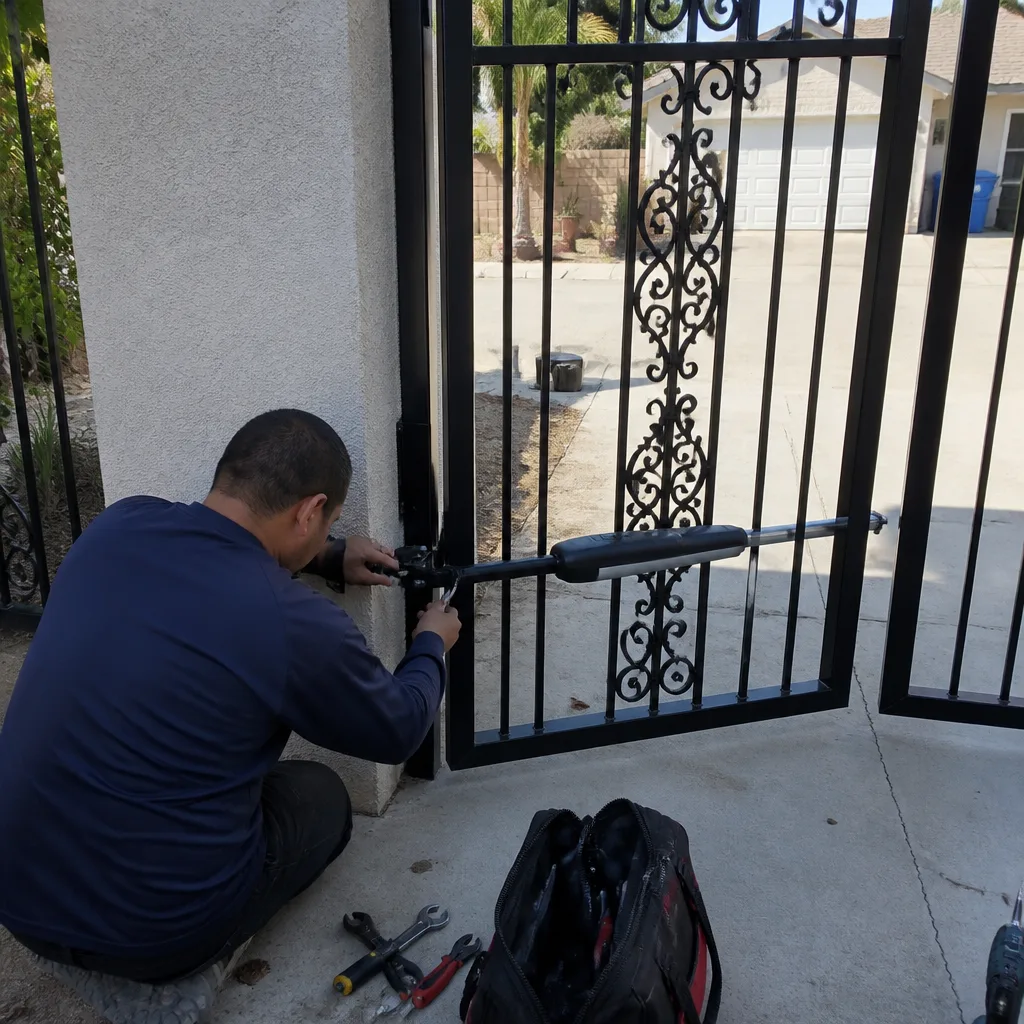 After