
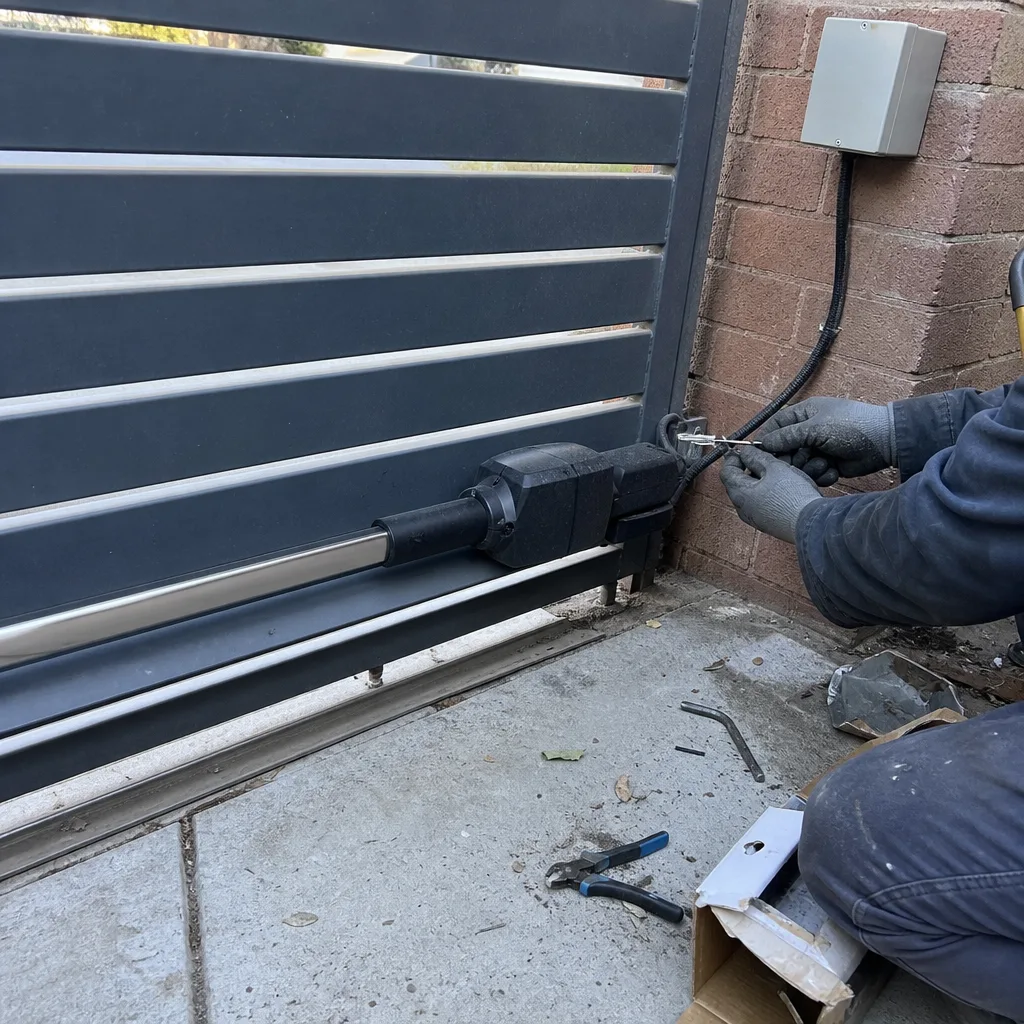
Last updated November 2, 2026
 Wrought iron
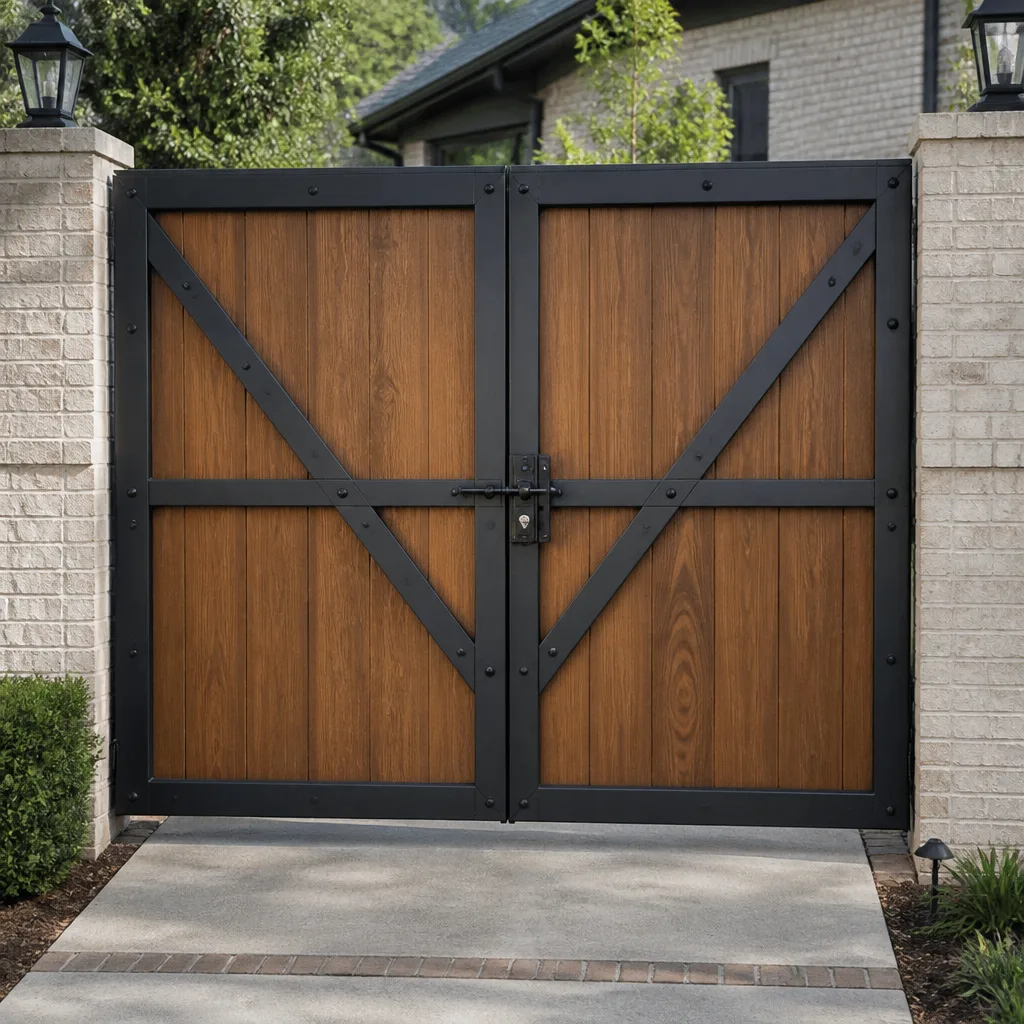 Wood & steel frame
 Farm & ranch
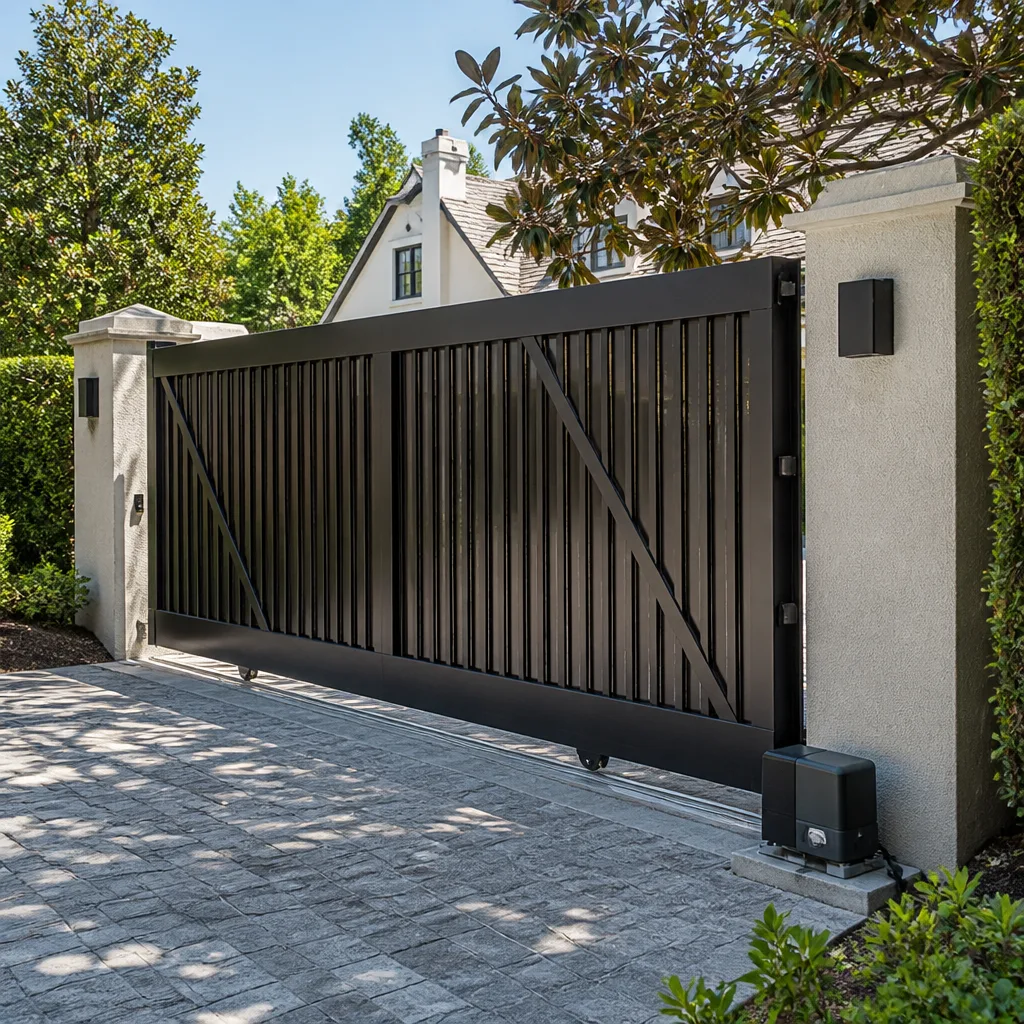 Sliding driveway gates
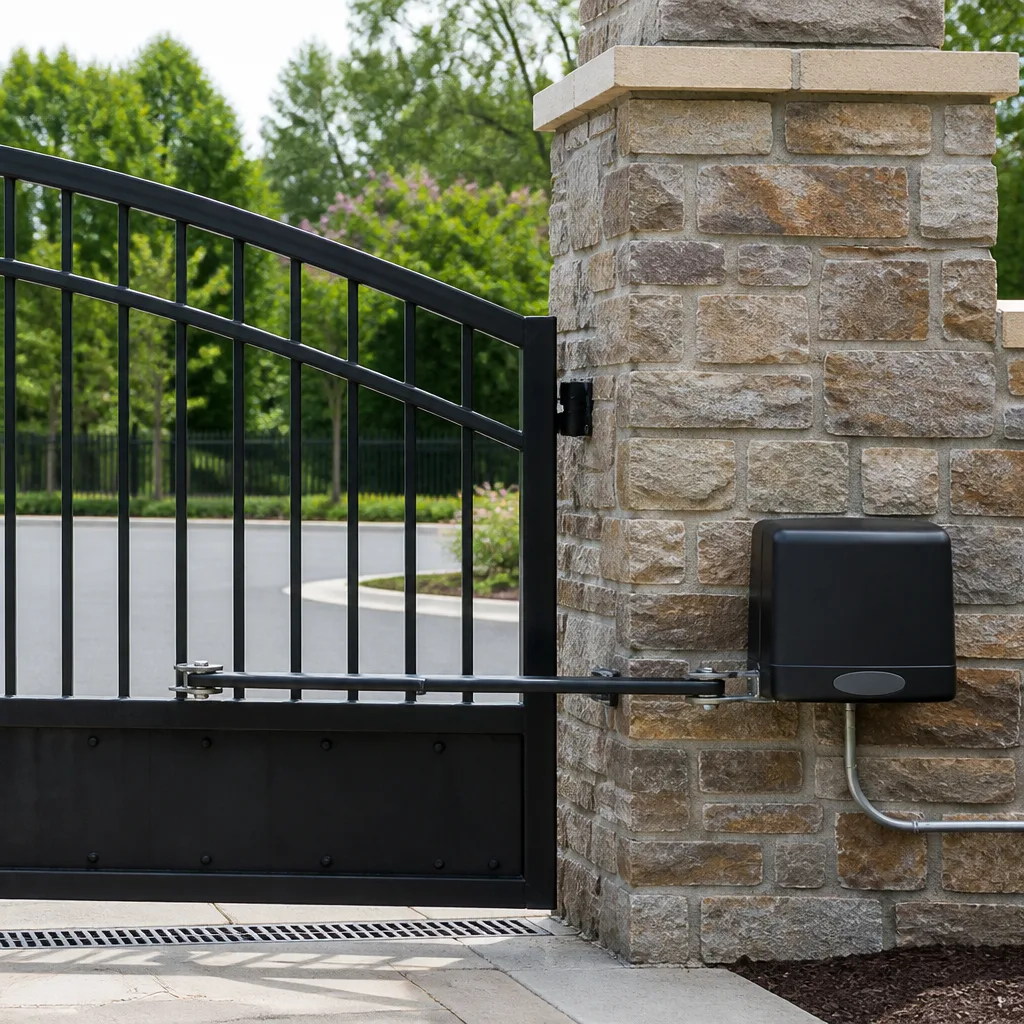 LiftMaster operators
Free on-site gate assessment - hinges, posts, and your LiftMaster or Nice gate operator checked before anything is quoted
The assessment is free and the quote is the invoice.
Get your free estimateSeasonal Gate Repair Care for Oxnard: Year-Round Homeowner’s Guide
Most Oxnard homeowners assume the mild coastal climate means their gate needs less attention than one baking in a Palm Springs driveway. That assumption is expensive. The salt air that rolls in with the summer marine layer does more damage to an unsealed gate than a Phoenix summer does to one that simply gets hot. This guide walks through what actually happens to swing gates, slide gates, and electric operators in Oxnard’s four distinct seasonal conditions – and what to do about each before a small problem requires Gate Repair.
Quick Answer
Seasonal gate care in Oxnard means treating four distinct weather patterns: summer marine layer moisture, fall Santa Ana debris, winter rain and standing water, and spring ground settlement. The most important seasonal tasks are lubricating hinges and drive components with a marine-grade product before summer fog sets in, clearing debris from track and operator enclosures during Santa Ana season, sealing electrical enclosures and checking drainage before winter rain, and re-aligning photo eyes and limit switches each spring. Most homeowners can handle the inspection side; the repair side often requires a technician who knows the specific operator brand, as covered in our guide on Choosing the Right Gate Repair Brand: A Buyer’s Guide for Oxnard.
Styles & brands we work with
- Wrought iron
- Wood & steel frame
- Farm & ranch
- Sliding driveway gates
- LiftMaster operators
Table of Contents
- Summer: Marine Layer Moisture and Salt Air Protocol
- Fall: Santa Ana Wind Season and Debris Ingress
- Winter: Rain Prep, Drainage, and Electrical Enclosure Sealing
- Spring: The Post-Wet-Season Reset Checklist
- Photo Eye Alignment and Ground Settlement Through the Seasons
- Brand-Specific Seasonal Notes: Viking, Ghost Controls, DoorKing, Elite
- Common Mistakes to Avoid
- When to Call a Professional
- Frequently Asked Questions
Summer: Marine Layer Moisture and Salt Air Protocol
Oxnard’s summer marine layer is not just fog. It is a sustained humidity event that can sit over the city for two to three weeks at a stretch, and the air carries salt from the Pacific. For a gate, that combination is corrosive in a way that inland heat never is: hinges develop surface rust, unpainted steel brackets begin to pit, and electrical connections inside operator enclosures grow a fine white corrosion film that eventually causes intermittent faults.
The most predictable failure we see in Oxnard during summer months is a gate that works fine at 2 p.m. but refuses to open at 7 a.m. the next morning. The culprit is usually a limit switch or a control board terminal that has collected enough salt-laden condensation overnight to short a signal. The owner hears the motor hum or clicks, and nothing moves.
Here is the summer protocol we recommend, and it takes about thirty minutes:
- Wipe down hinges, pivot points, and the operator arm with a clean dry rag to remove salt film before it bonds to metal.
- Apply a marine-grade lubricant to hinge pins, the drive chain or screw, and any exposed pivot. Standard WD-40 is a solvent, not a long-term lubricant, and it evaporates in weeks. Use a lithium or silicone-based product rated for coastal environments.
- Open the operator enclosure (with power disconnected) and look for white powder on the control board, terminals, and wiring. That is salt corrosion starting. If you see it, have a technician clean and reseal the board before it causes a failure.
- Check the gate’s finish. Any chip or scratch in the paint on a steel gate becomes a rust point in marine air within a single season. Touch up with matching paint or a rust-inhibiting primer.
- Test the auto-close timer if your gate has one. Humidity affects the sensitivity of safety sensors on many LiftMaster and Ghost Controls models, and the gate may close on a vehicle that previously cleared it.
For electric gate repair in Oxnard, corrosion at the control board is the single most common service call we see between June and September. The fix is often straightforward if caught early – a terminal cleaning and dielectric grease application – but it becomes a board replacement if ignored.
Fall: Santa Ana Wind Season and Debris Ingress
When the Santa Ana winds kick up in September and October, they do not just move dry air across Oxnard. They move leaves, palm fronds, sand, and plastic debris into every crevice of a gate system. Slide gates are especially vulnerable because the track acts as a collection channel. A gate that glides smoothly in August starts to grind and shudder by October, and the owner often assumes the motor is failing.
What is actually happening is debris ingestion in three distinct places:
- Loop detectors. If your gate operates automatically for vehicles, there is a detection loop buried in the driveway. Debris does not damage the loop itself, but Santa Ana wind shifts sand and loose material across the loop zone, which can cause false detections or, worse, missed detections. A loop detector that cycles the gate for no reason is usually reading a buildup of conductive dust or a shifted wire connection, not a ghost.
- Limit switches. Most electric gate operators use mechanical or magnetic limit switches to know when the gate has reached fully open or fully closed. Fine grit blown by Santa Ana winds works its way into the switch housing and causes the operator to stop short, over-travel, or reverse direction mid-cycle.
- Drive gears and chain tensioners. Palm fronds and dry vegetation can wrap around the drive chain or pinch between the gear and rack on slide gates. The result is loud operation, stripped teeth, or a chain that jumps off the sprocket.
The fall inspection takes about twenty minutes and prevents most of what we see on emergency calls in October:
- Clear the entire track or rail path. Use a leaf blower or broom. Do not use water – wet debris becomes a paste that is harder to remove and accelerates rust.
- Open the operator enclosure and blow it out with compressed air or a soft brush. Check for sand buildup around the limit switches and motor vents.
- Inspect the chain or belt tension. A chain that has been knocked loose by debris will sag visibly. If you can press it more than half an inch by hand, it needs tensioning.
- Check the photo eyes. Wind-blown sand etches the lenses over time, reducing their effective range. Wipe them with a dry microfiber cloth – never glass cleaner, which leaves a residue that the sensors read as obstruction.
- Trim vegetation back from the gate path. Anything hanging within two feet of the gate’s travel arc will end up in the mechanism during the next wind event.
We work on Viking slide gate operators regularly in Oxnard’s industrial and agricultural properties, and the failure mode from Santa Ana debris is consistent: a limit switch that has ingested fine dust and now stops the gate three feet short of the closed position. For a deeper look at year-round issues, see The Complete Gate Repair Guide for Oxnard Homeowners. That is a fifteen-minute fix for a technician who knows the brand, and a frustrating afternoon for someone guessing at it.
Winter: Rain Prep, Drainage, and Electrical Enclosure Sealing
Oxnard winters are not dramatic, but when an El Niño pattern sets up, the city can get more rain in two months than it sees all summer. For a gate system, water is the enemy that works slowly. It does not announce itself with a loud failure. It seeps into a conduit, sits in a low spot, and then causes a short or corrosion event weeks after the rain has stopped.
The specific vulnerabilities in an Oxnard winter are underground wire connections, operator pad drainage, and electrical enclosure seals.
Most electric gate installations run low-voltage wire from the operator to the photo eyes, keypad, and loop detector. Those wires typically run through PVC conduit that is buried between six and eighteen inches deep. The connections inside junction boxes or operator enclosures are the weak points. When standing water surrounds a junction box, the wire nuts and terminal connections inside begin to corrode even if the box was originally sealed. The gate works fine until the corrosion builds to the point where the signal voltage drops, and then the operator behaves erratically or refuses to respond to the remote.
Here is the winter prep checklist we recommend:
- Inspect the drainage around the operator pad. The concrete pad the operator sits on should be slightly higher than the surrounding ground, with no soil piled against the enclosure base. If water pools around the pad, it will find its way into the enclosure through the bottom conduit entry.
- Check every junction box and the operator enclosure gasket. Open it up (power off) and look for moisture, dirt, or rust streaks. A gasket that is cracked, stiff, or missing means water will get in during the next rain. Replace it.
- Seal conduit entries. Where PVC conduit enters the operator enclosure or a junction box, the gap should be filled with duct seal or silicone. If you can see daylight or feel air, water can get in.
- Test the gate through a full cycle before the rain starts. A gate that is marginal in dry weather will fail in wet weather. Fix small problems now.
- Inspect the gate frame for rust spots, especially at welds and where horizontal rails meet vertical posts. Treat any rust with a rust converter and paint before the wet season accelerates it.
For details on what a full gate repair in Oxnard involves, and when a DIY fix crosses into territory that needs a technician, our service guide explains the difference. The short version: if you are seeing corrosion inside the operator enclosure or moisture inside a junction box, the repair is electrical, not mechanical, and it requires someone who understands low-voltage circuits.
Spring: The Post-Wet-Season Reset Checklist
Spring in Oxnard is when the ground settles back after winter rains, and that settlement is what causes the majority of alignment problems we see all year. The soil expands when wet and contracts as it dries. A gate post that was perfectly plumb in November can be leaning a quarter inch by April. A quarter inch at the post translates to two to three inches at the far end of a sixteen-foot gate.
The spring reset is not a repair. It is a set of adjustments that restore the system to its correct operating parameters before summer heat and humidity add their own stresses. Here is what belongs on the list:
- Check gate post alignment. Stand at the hinge end and sight down the gate. A leaning post shows up as a gate that sags at the latch end. If the sag is minor, hinge adjustment may solve it. If the post itself has moved, it needs to be reset.
- Adjust limit switches. If the gate no longer opens fully or closes fully, the limit switches need attention. This is a five-minute adjustment on most Viking and DoorKing operators, but it requires knowing which switch controls which direction and how to fine-tune the cam or magnet position.
- Re-align the photo eyes. Ground settlement shifts the mounting posts, and the eyes no longer point at each other. The gate will refuse to close or will reverse immediately. This is one of the most common “broken gate” calls we get in March and April that is actually just an alignment issue.
- Inspect the drive chain or belt tension. Winter temperature swings and moisture changes cause metal chains to stretch slightly. A chain that was properly tensioned in October may be loose in April.
- Clean and lubricate everything as described in the summer protocol. Spring is the best time to do the deep clean, before the marine layer becomes a daily event.
- Test every access point. Keypad, remote, intercom, phone app, and vehicle loop. If one access method is degraded, fix it now before it fails completely.
If a gate is consistently stopping short or reversing for no apparent reason after the ground has dried out, the issue is usually either a shifted limit switch or a photo eye that has fallen out of alignment. Both are addressable without replacing the operator, but they require the right adjustment procedure for the specific brand.
Photo Eye Alignment and Ground Settlement Through the Seasons
Photo eyes are the safety sensors mounted near the bottom of the gate opening, usually about six inches off the ground. One eye sends an infrared beam; the other receives it. If the beam is broken, the gate will not close or reverses if it is already closing. This is a safety feature required on all electric gate installations, not an optional extra.
In Oxnard, photo eye alignment changes with the seasons, and most homeowners do not realize that alignment is something to check more than once. The ground shifts on a cycle: wet winter soil expands, dry spring and summer soil contracts. A photo eye post that is mounted in soil rather than concrete can move enough in six months to break the beam even though nothing appears wrong to the naked eye.
The symptom is usually described as: “The gate starts to close and then immediately reopens,” or “The gate makes a clicking sound but won’t move.” The owner assumes the motor is dead. It is not. The safety loop is open because the beam is not reaching the receiver.
To check alignment:
- Turn off the operator at the breaker.
- Look at each photo eye. Most have an LED that lights when the beam is received. If the receiver LED is dark or blinking, the beam is not making contact.
- Adjust the sender eye slightly left, right, up, or down until the receiver LED goes solid. This is a two-person job on long gates, but a weak beam on a Ghost Controls or LiftMaster unit often just needs the sender moved a few degrees.
- Clean both lenses with a dry microfiber cloth. Salt film from the marine layer is the most common cause of a misaligned-looking photo eye that is actually just dirty.
If the photo eyes will not align even after cleaning and adjusting, and the LED never stays solid, the issue may be a damaged wire or a failed sensor. That is an electric gate repair call, not a weekend project.
Brand-Specific Seasonal Notes: Viking, Ghost Controls, DoorKing, Elite
One of the reasons seasonal maintenance matters more in Oxnard than in drier inland areas is that different operator brands respond to coastal conditions differently. We service nine major manufacturers, and the seasonal failure patterns are not uniform. Here is what we see on four specific brands, and what to watch for.
Viking
Viking operators are common on larger slide gates in Oxnard’s commercial and agricultural properties, and they are built for continuous duty. That makes them resistant to the kind of short-cycle wear that kills residential units, but they have one seasonal weakness: the limit switch assembly is mechanical, and the fine dust kicked up by Santa Ana winds accelerates wear on the cam faces. A Viking gate that stops a few inches short in October usually has a limit switch that has been sanded by wind-driven grit for six weeks. Cleaning the limit switch compartment and lightly lubricating the cam faces in spring and fall prevents most of the failures we see.
Ghost Controls
Ghost Controls is popular with Oxnard homeowners installing their own swing gate openers, especially on solar-powered setups. The seasonal vulnerability with Ghost Controls is the battery and the solar panel. During marine layer months, the panel receives less direct sun, and a battery that was marginal in July may not hold enough charge to cycle the gate in September. Before assuming the operator is broken, check the battery voltage and clean the solar panel surface. Salt film on the panel reduces charging efficiency significantly.
DoorKing
DoorKing makes swing and slide operators that appear across Oxnard’s residential and light commercial properties. Their seasonal weak point is the circuit board’s sensitivity to moisture. DoorKing boards are well-built, but the terminal strips and wire connections are exposed to ambient humidity inside the enclosure. In a marine layer summer, we see more DoorKing boards with corrosion on terminals than any other brand. The fix is preventive: open the enclosure in late spring, inspect for white powder, and apply dielectric grease to the terminals if needed.
Elite
Elite operators, especially their slide gate models, are specified on many Oxnard apartment and condo properties. The seasonal issue that comes up most with Elite is chain tension. Temperature changes between cool nights and warm days, combined with the moisture cycle, cause the drive chain to stretch gradually. A chain that is loose by October will ride up on the sprocket and eventually jump. Checking chain tension at the start of fall and again in mid-spring prevents most of the emergency calls we get for Elite units.
If your gate has an operator we did not mention here, that does not mean it is less important. We service LiftMaster, FAAC, BFT, Linear, and Mighty Mule as well. The seasonal patterns are similar across brands: moisture and salt in summer, debris in fall, water in winter, and movement in spring. What changes is where each brand is most vulnerable and how the fix is performed.
Common Mistakes to Avoid
- Using WD-40 as a lubricant. It is a solvent designed for water displacement, not a lasting lubricant. On a gate in Oxnard’s marine air, it evaporates in weeks and leaves the metal less protected than before. Use a marine-grade lithium or silicone lubricant instead.
- Ignoring a gate that “works most of the time.” Intermittent operation is the earliest warning sign of a failing limit switch, corroded terminal, or dying capacitor. The gate that works 95% of the time in October will be the gate that fails completely on a rainy January morning.
- Power-washing the gate and operator. High-pressure water forces moisture into bearing seals, electrical connectors, and the operator enclosure. Clean with a rag, brush, and low-pressure water only, and never direct water at the operator.
- Assuming the motor is dead when the gate reverses. A gate that starts closing and immediately reopens is almost always a photo eye issue, not a motor failure. Check the sensor alignment and clean the lenses before calling for a motor replacement.
- Adjusting limit switches without knowing the brand. Each manufacturer uses a different mechanism (cam, magnet, hall sensor) and a different adjustment procedure. Adjusting a Viking limit switch the way you would adjust a LiftMaster unit can cause the operator to over-travel and damage the drive components.
- Skipping the fall debris check. Santa Ana winds dump material into gate tracks and operator enclosures every year. If you check nothing else, clear the track and blow out the enclosure before the first big wind event.
- Painting over rust without treatment. Slapping paint on a rusted gate post in Oxnard’s salt air just seals the moisture in and lets the rust keep eating. Treat with a rust converter first, then prime, then paint.
When to Call a Professional
Most of the seasonal maintenance described in this guide is within reach of a capable homeowner: cleaning, lubricating, clearing debris, checking drainage, and wiping down photo eyes. For more guides & resources, visit our blog. Where the line gets crossed is when something is actually broken or behaving outside normal parameters.
Call a technician if the gate makes a grinding, popping, or screeching sound that persists after cleaning and lubricating. Call if the operator enclosure shows corrosion on the circuit board or if you see moisture inside. Call if the gate stops at the wrong position, reverses unpredictably, or refuses to respond to one access method but responds to another. And call if you have a Viking, Ghost Controls, DoorKing, or Elite unit that needs limit switch adjustment and you do not have the brand-specific manual in front of you. Gate Repair Oxnard offers free estimates in Oxnard – call (833) 589-9922 with the brand and symptom, and we will tell you over the phone whether it is something you can handle or something that needs a service visit.
Frequently Asked Questions
Twice a year, once in late spring before the marine layer sets in and once in mid-fall before Santa Ana season, covers the seasonal stress cycles. That cadence addresses salt corrosion, debris buildup, and moisture-related ground movement before they cause failures.
Overnight marine layer moisture condenses inside the operator enclosure and on electrical connections. A thin salt-laden film on a limit switch or control board terminal can interrupt a signal until the enclosure dries. This is the most common summer failure pattern in coastal Oxnard, and it is prevented by cleaning and sealing the enclosure in late spring.
No. Pressure washing forces water into bearing seals, hinge pins, and the operator enclosure. It also strips lubricant from drive components and drives salt further into any existing corrosion. Hand-wash with a rag and mild detergent, and rinse with low-pressure water from a garden hose.
The wind itself does not damage a well-maintained gate. The debris it carries does the damage. Sand and grit work into limit switches and drive chains, and palm fronds can wrap around slide gate wheels or get caught in the rack and pinion. A single wind event can strip a chain off its sprocket if debris jams the mechanism while the motor is trying to move.
Check drainage around the operator pad, inspect enclosure gaskets, seal conduit entries, and look for any rust that should be treated and painted before wet weather accelerates it. Then test the gate through a full open and close cycle. If it is marginal now, it will fail in the rain.
That is the photo eye safety system overriding the close command. The eyes are either misaligned from ground settlement, covered with salt film, or obstructed by a leaf or cobweb. Clean both lenses with a dry cloth, check for alignment, and if the problem persists, call (833) 589-9922 – this is the most common service call we handle, and it is usually a quick fix.
The Bottom Line
Oxnard’s climate does not punish gates with extreme heat, but it works on them year-round in quieter ways: salt air in summer, wind-driven grit in fall, water in winter, and ground movement in spring. A gate that receives no seasonal attention will still run, often for years, but the failures that do occur are more expensive because they involve corrosion and electrical damage rather than simple wear. Thirty minutes of seasonal maintenance twice a year removes most of those surprises. And when a repair is needed, knowing your operator brand and describing the symptom accurately is half the diagnosis. For help with any gate repair, electric gate troubleshooting, or new gate installation in Oxnard, call Gate Repair Oxnard at (833) 589-9922 for a free estimate.
Written by the team at Gate Repair Oxnard, serving Oxnard since 2017.
See the difference
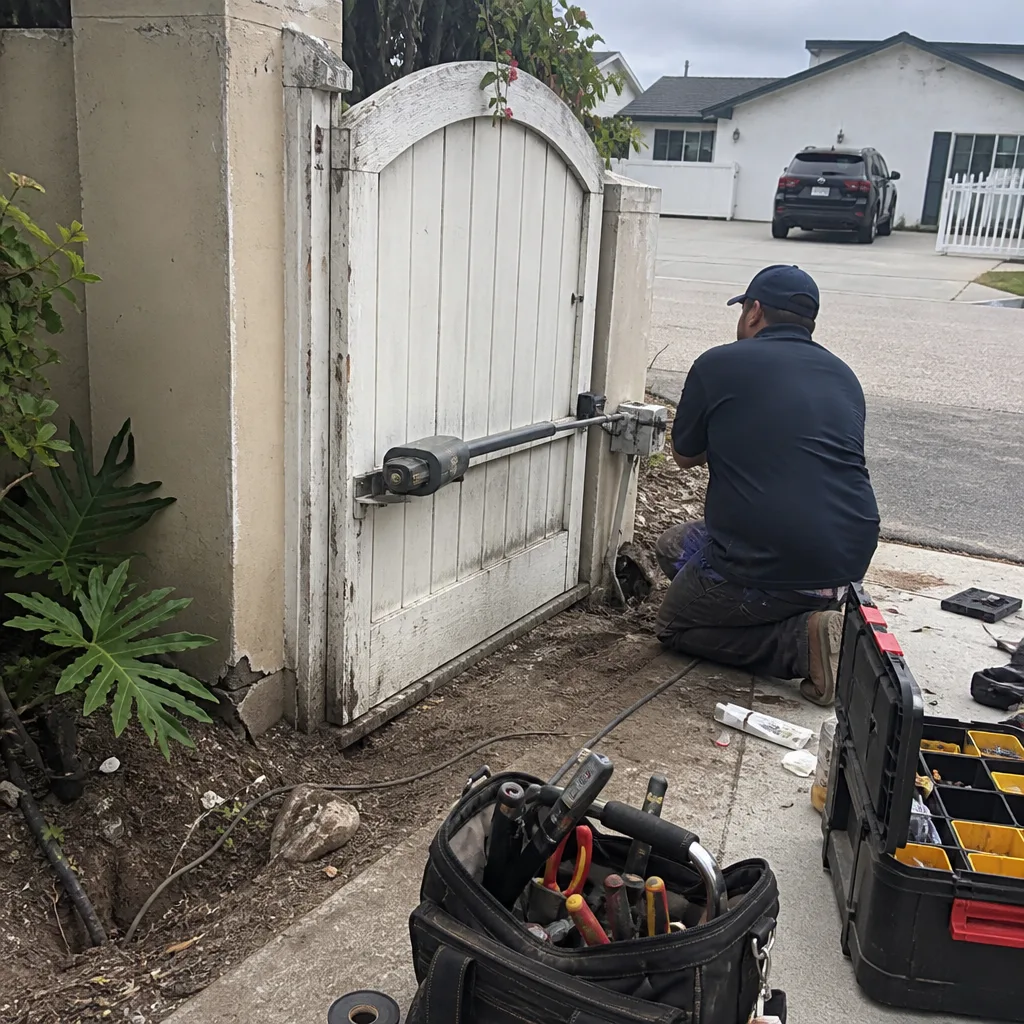 Before
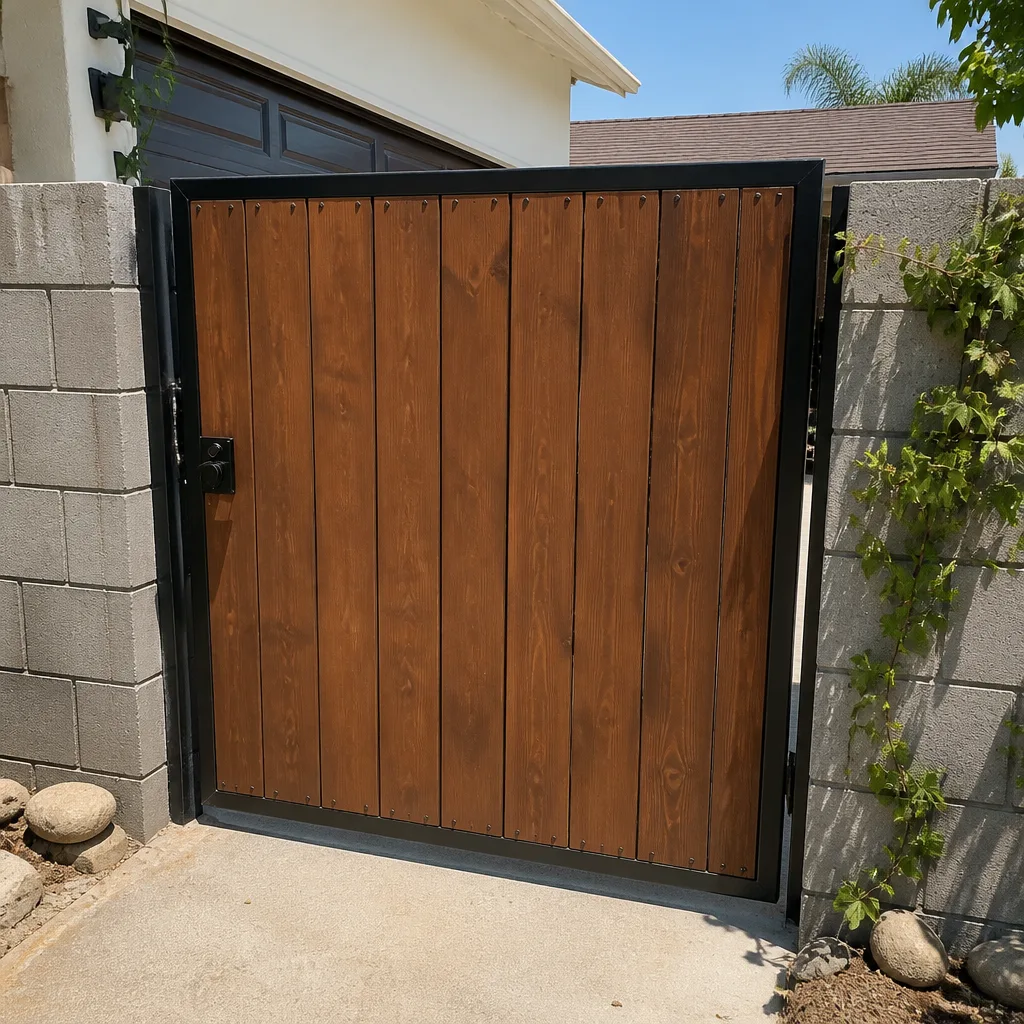 After
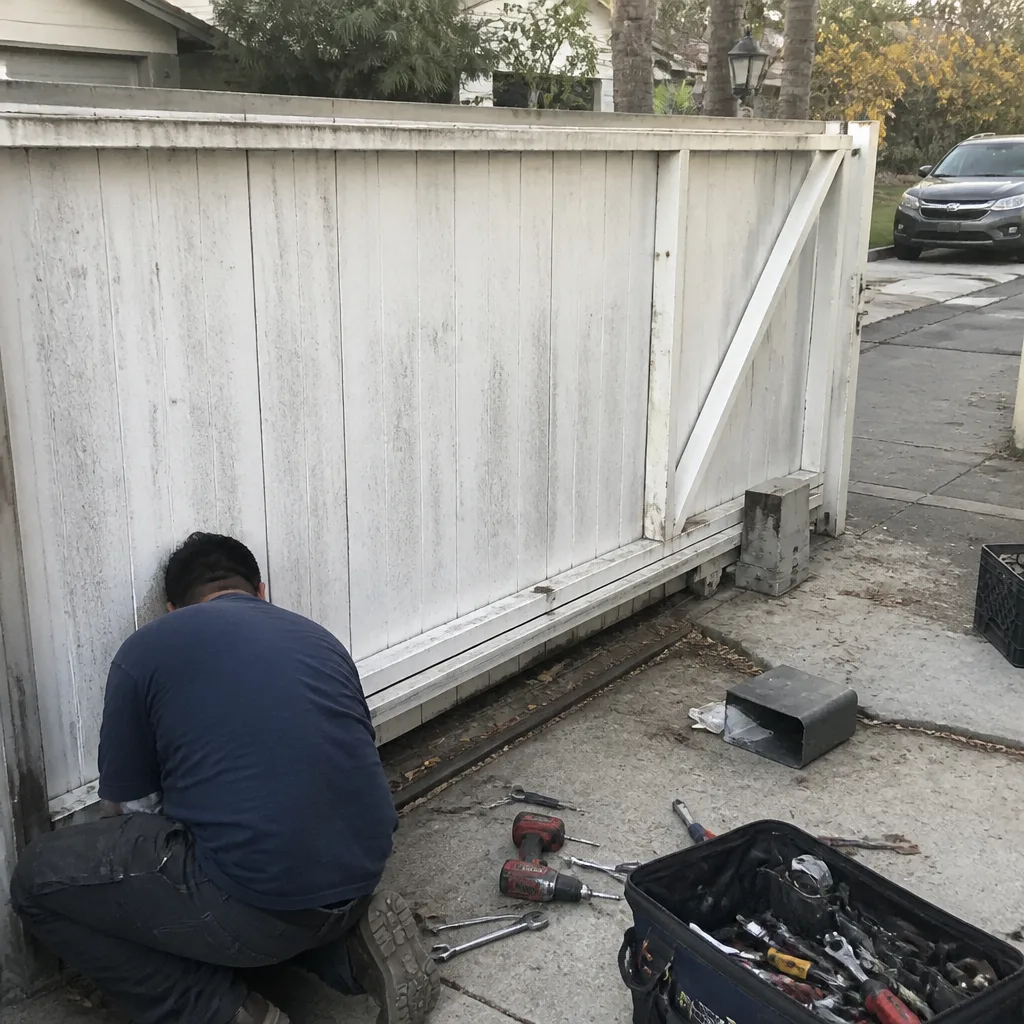 Before
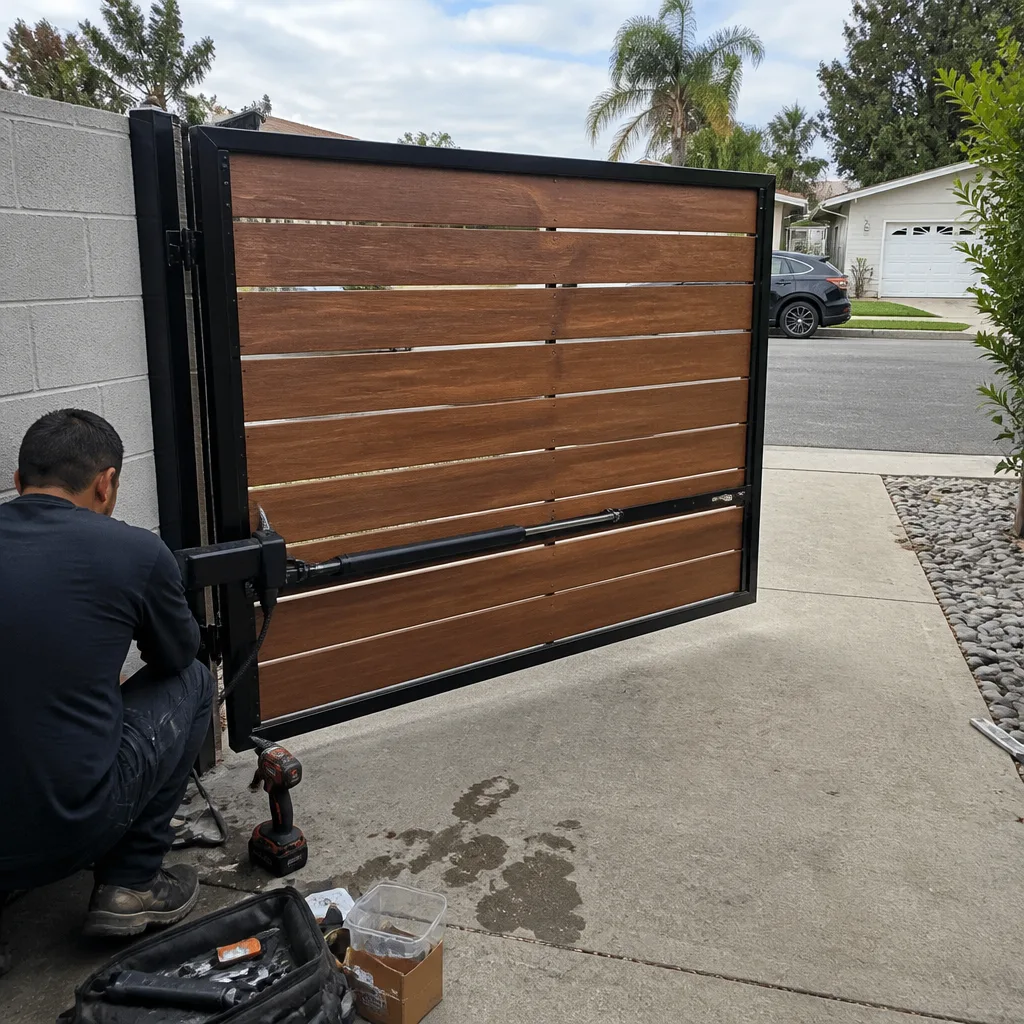 After
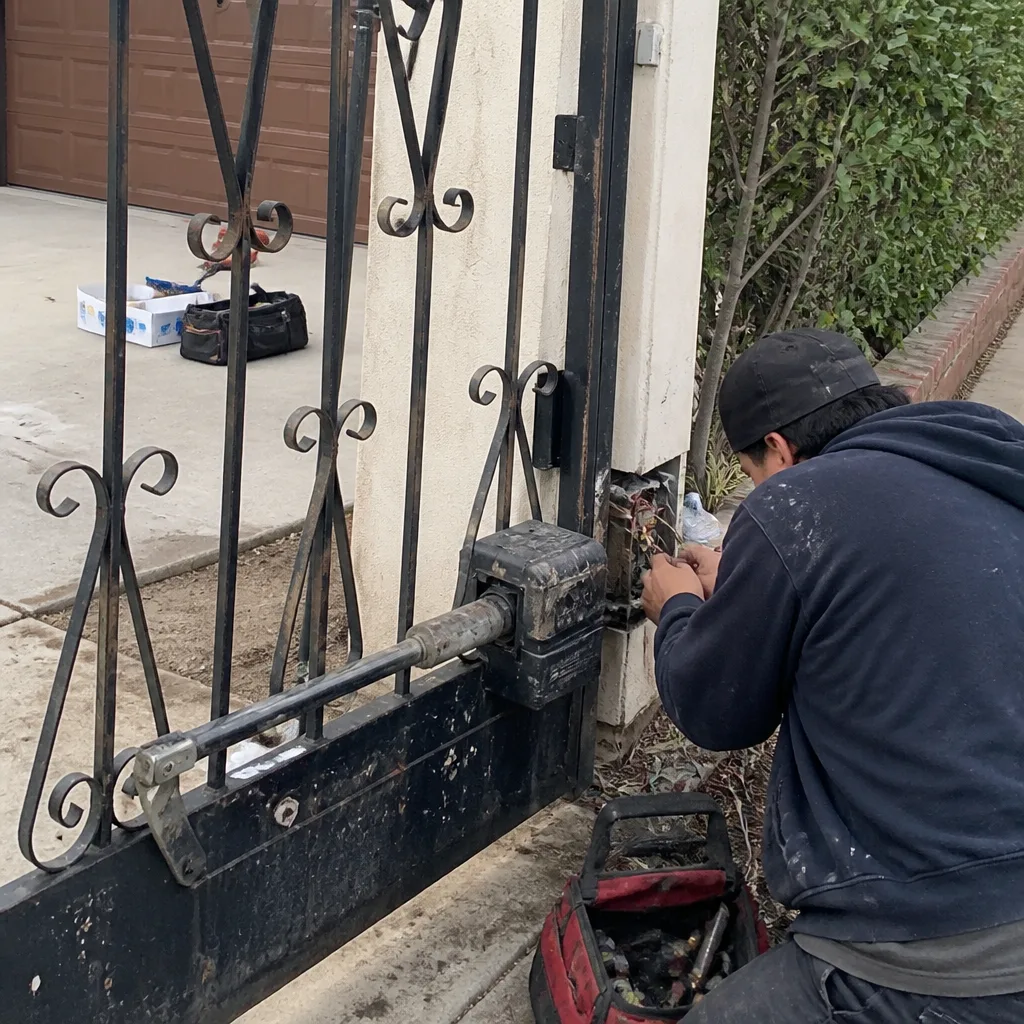 Before
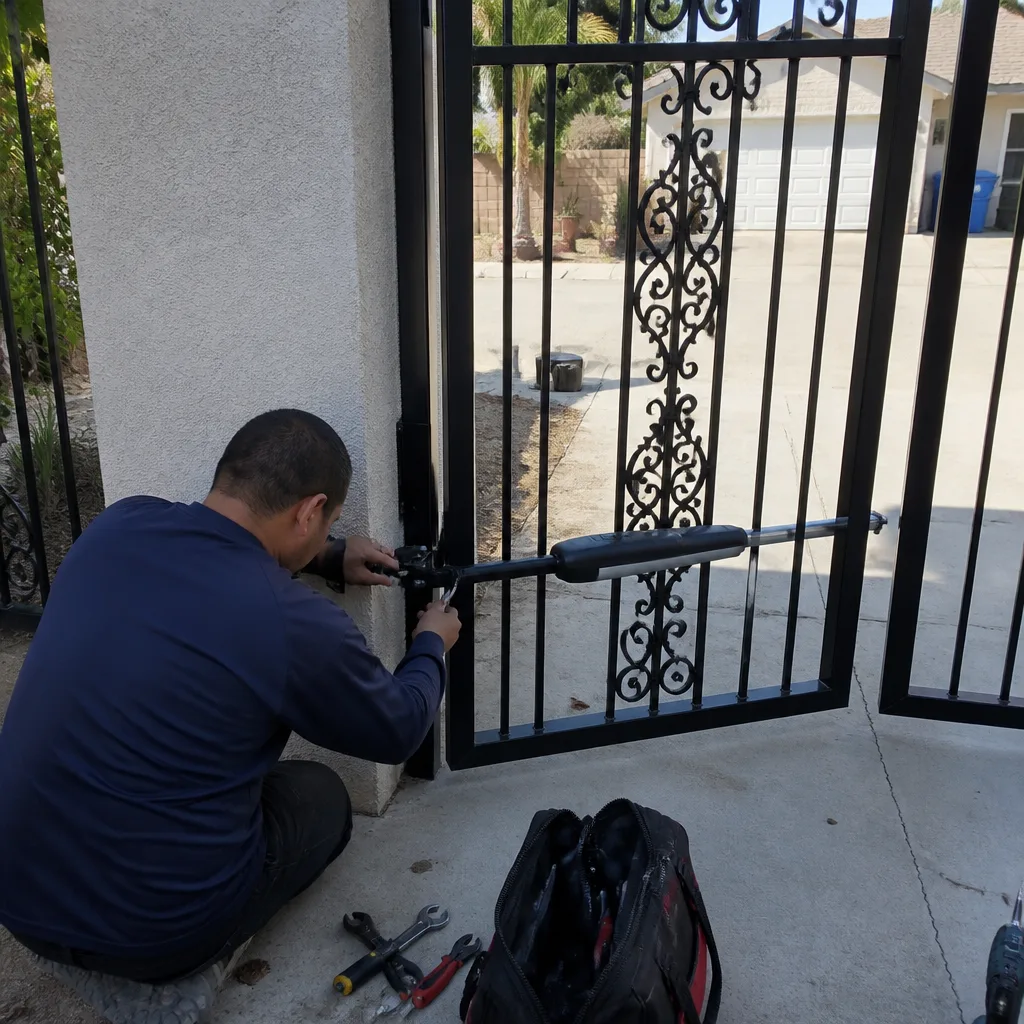 After