
Last updated November 2, 2026
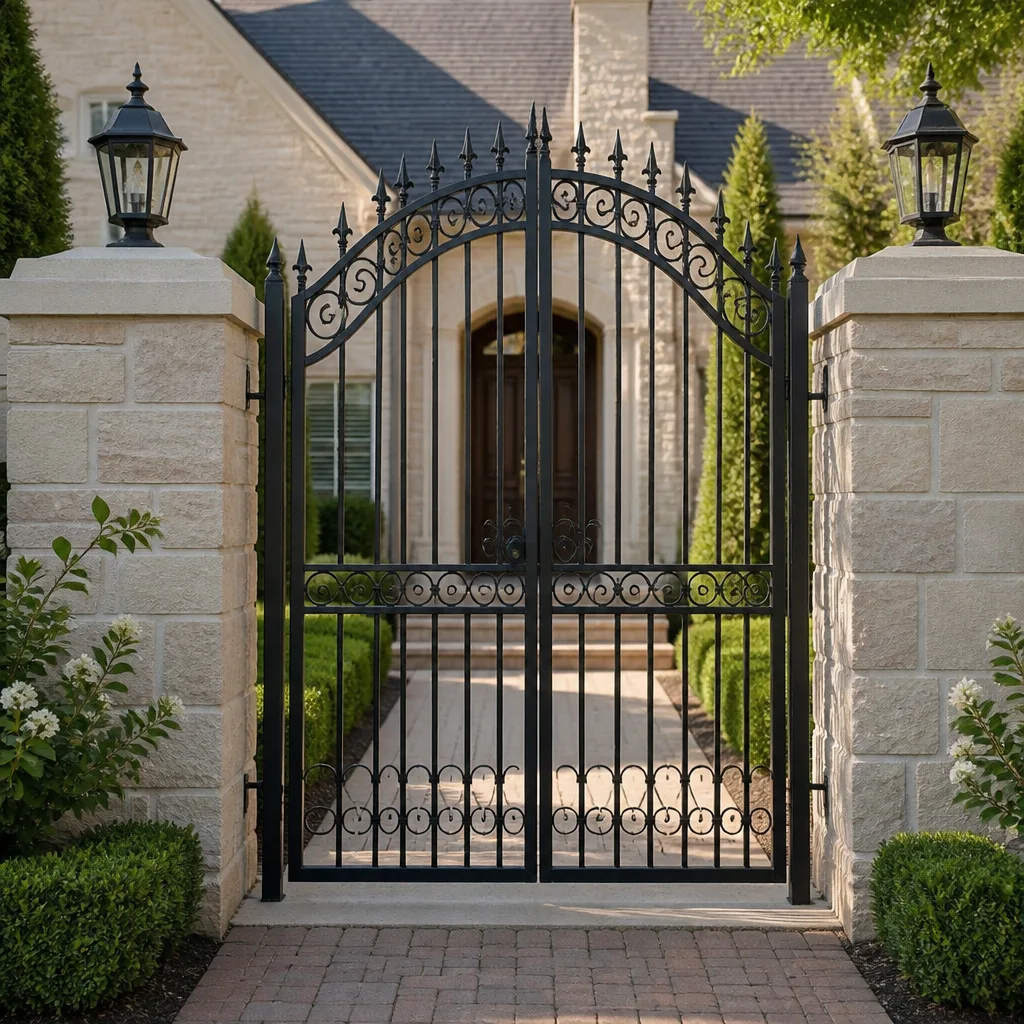 Wrought iron
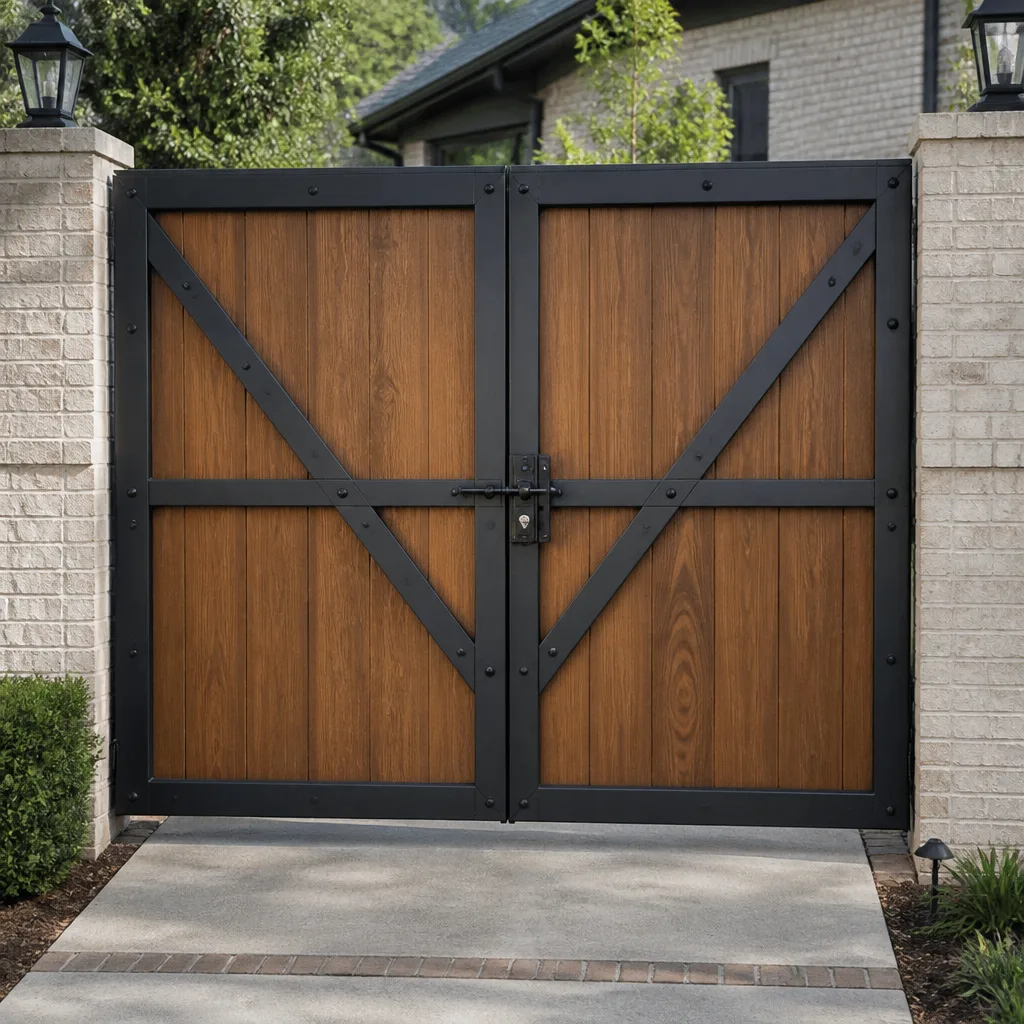 Wood & steel frame
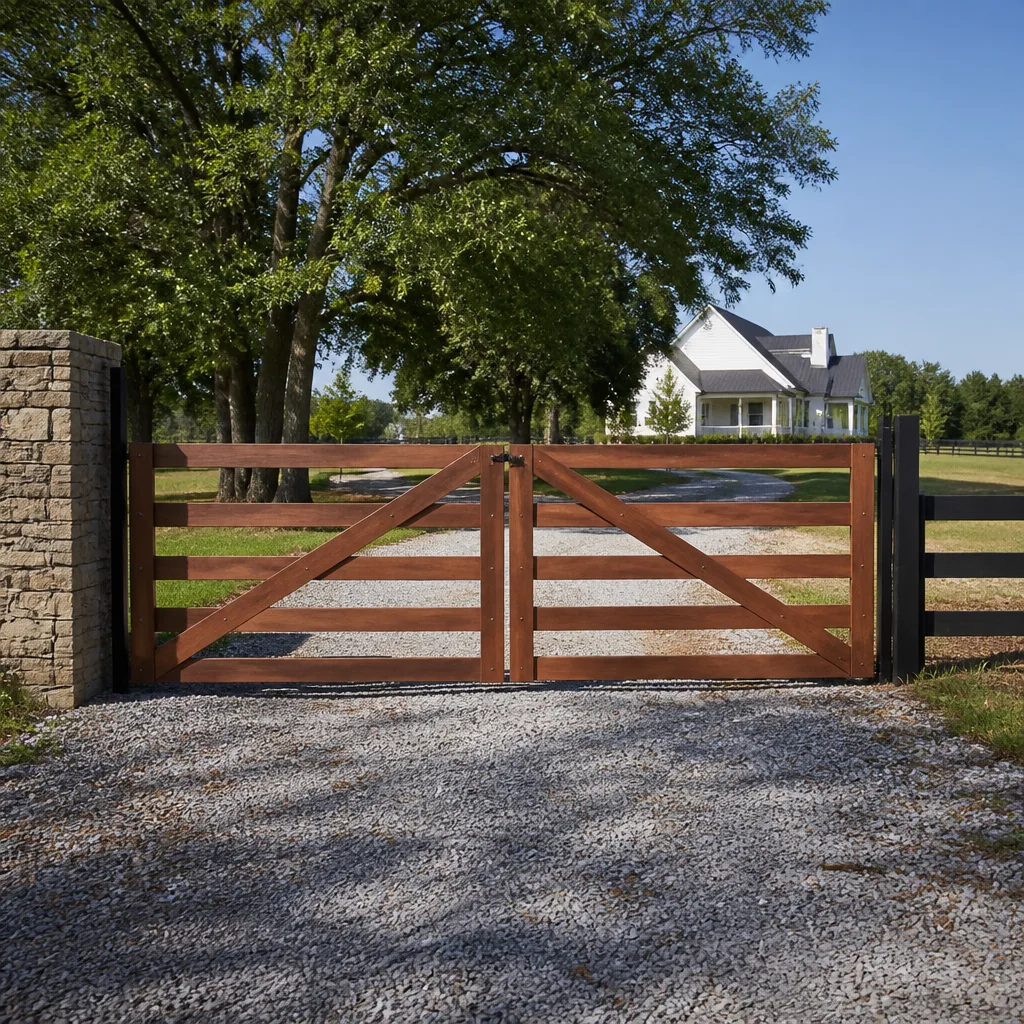 Farm & ranch
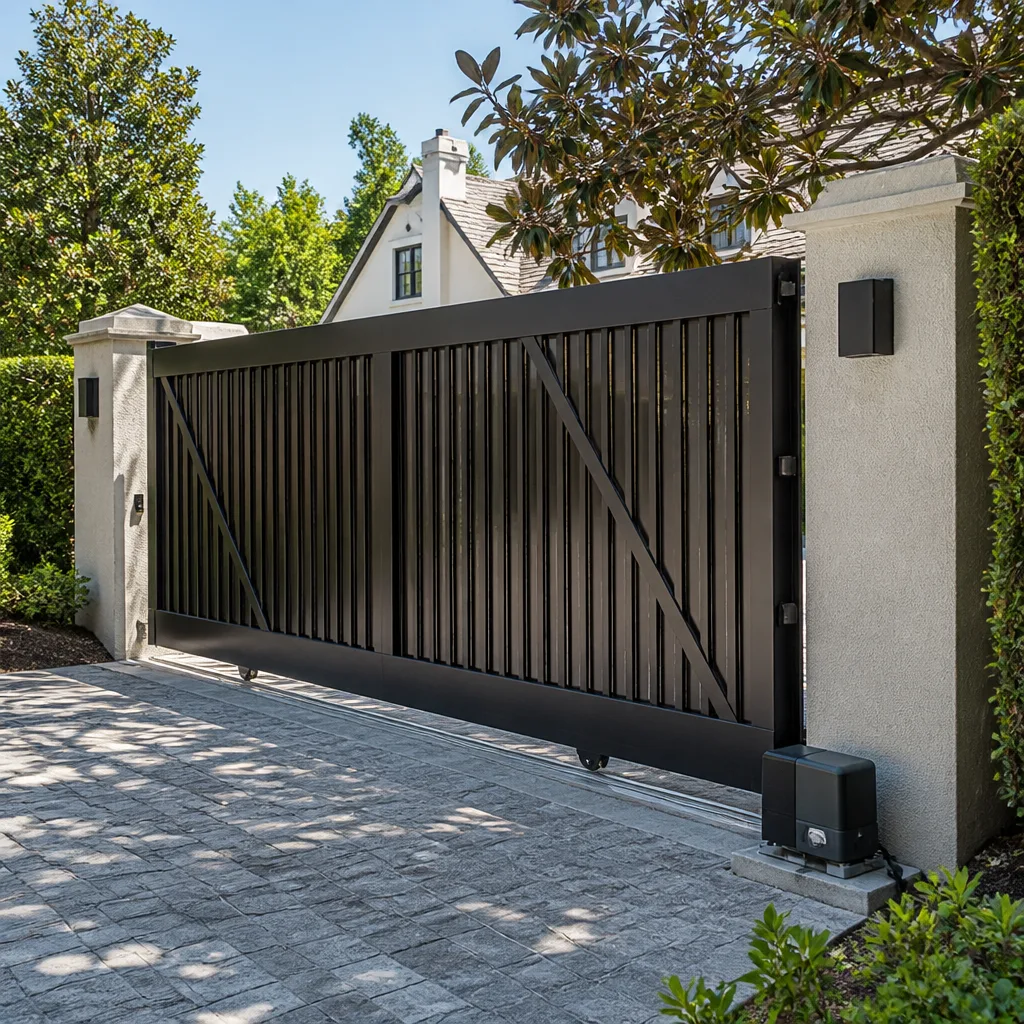 Sliding driveway gates
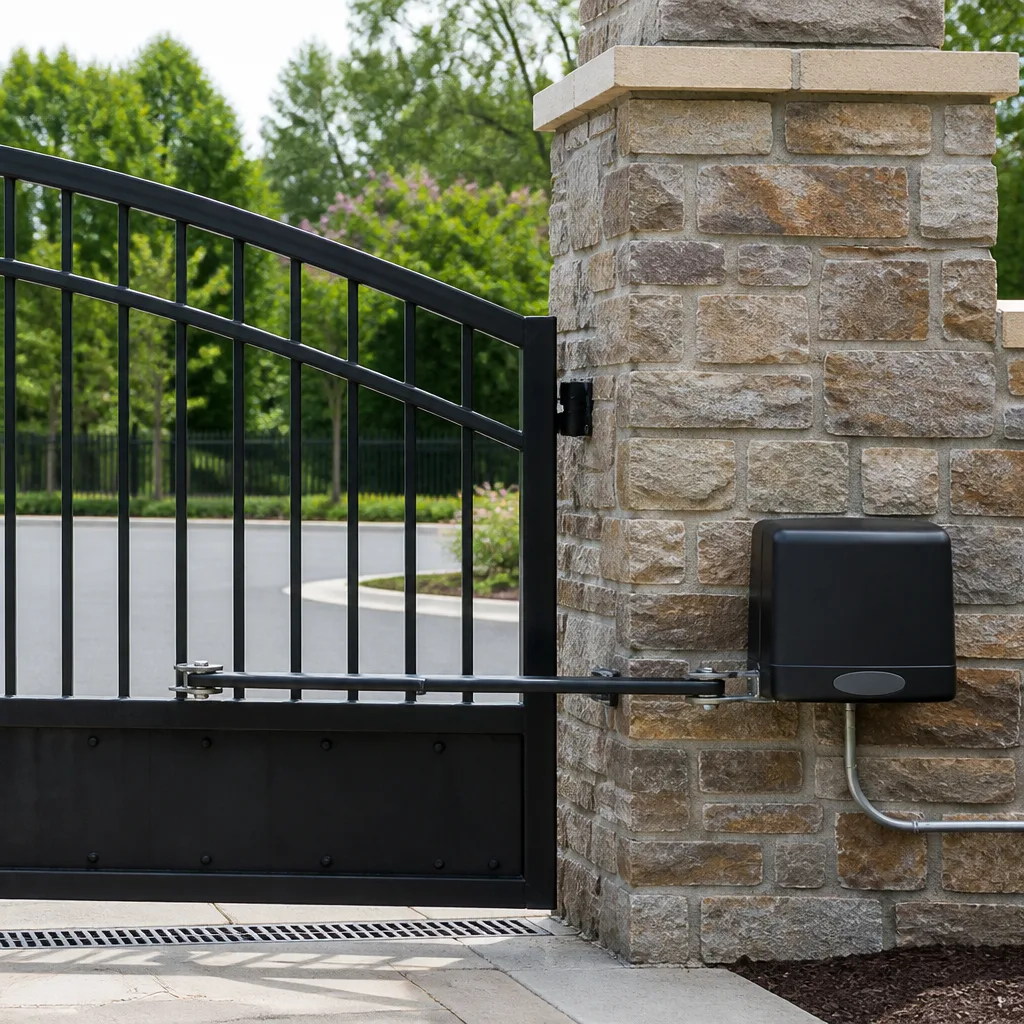 LiftMaster operators
Free on-site gate assessment - hinges, posts, and your LiftMaster or Nice gate operator checked before anything is quoted
The assessment is free and the quote is the invoice.
Get your free estimateGate Repair Emergency Preparedness Guide for Oxnard Homes
During the 2017 Thomas Fire evacuations, stuck automated gates trapped residents on properties across Ventura County. The manual release had never been tested. In Oxnard, where evacuation routes can narrow to a single driveway exit and Santa Ana winds move faster than most people expect, a gate that will not open is not an inconvenience. It is the difference between leaving when you decide to leave and leaving when the gate decides to let you. This guide covers what every Oxnard homeowner should know before the next emergency: where the manual release is, how to operate it under stress, what battery backups actually do, and how to secure a gate that will not close.
Quick Answer
A stuck gate during an Oxnard emergency is solved in two steps: first, locate and operate the manual release mechanism on your gate operator, then decide whether to secure the gate open or closed until help arrives. Most homeowners have never tested their manual release, and most gate failures during emergencies trace back to a dead battery, a tripped sensor, or a release mechanism that was never exercised. For urgent gate failures in Oxnard, call Gate Repair in Oxnard at (833) 589-9922, and we will walk you through the immediate steps over the phone.
Styles & brands we work with
- Wrought iron
- Wood & steel frame
- Farm & ranch
- Sliding driveway gates
- LiftMaster operators
Table of Contents
- Locating and Operating Your Manual Release
- Battery Backup Reality: What Actually Keeps a Gate Running
- Emergency Contact Protocol: What to Tell the Technician
- Gate Open Emergency: Securing a Gate That Won’t Close
- Pre-Season Prep: Fire Season and Winter Storm Checklist
- Common Mistakes to Avoid
- When to Call a Professional
- Frequently Asked Questions
Locating and Operating Your Manual Release
The manual release is the one component on your gate system that will work when nothing else does. No power, no remote, no keypad. Just a mechanical disconnect that separates the motor from the gate leaf so you can push it open by hand. Every automated gate has one. The problem is that almost no one knows where it is or how to operate it until they need it in the dark with sirens approaching.
Our technicians across Oxnard see gates from Ghost Controls, Linear, Viking, and DoorKing on a weekly basis, and the manual release design varies by brand. Here is how to handle the most common configurations you will encounter on Oxnard properties:
- Swing gate operators (Mighty Mule, Ghost Controls, Linear): Look for a physical key or a T-handle release on the operator arm itself. On Ghost Controls units, the release is typically a knob or lever at the pivot point of the arm. On Linear swing operators, it is a keyed cylinder near the motor housing. Insert the key, turn it one quarter turn, and the arm disengages from the gate leaf. Push the gate open by hand. It should move freely. If it does not, the gate hinges or the track are binding, and that is a separate mechanical problem.
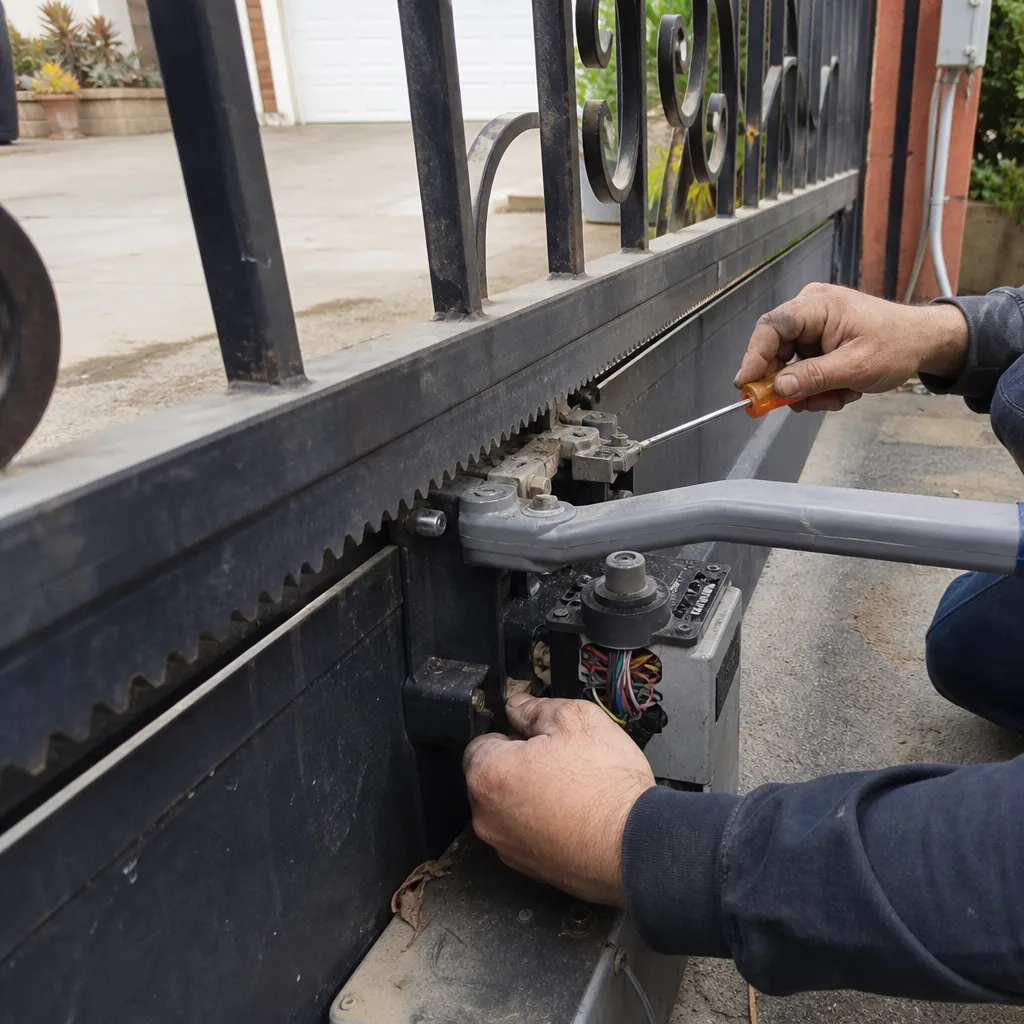
- Slide gate operators (FAAC, BFT, DoorKing, Viking): The release is on the operator chassis, usually behind a small access panel or under a hinged cover. DoorKing slide operators use a lever or a keyed release near the drive sprocket. FAAC and BFT units typically have a release handle that disengages the gearbox from the rack. Turn or pull the release handle, then slide the gate manually along its track. A slide gate that has never been manually moved will feel heavy. That is normal. You are moving several hundred pounds of steel without a motor.
- Barrier arm operators (FAAC, BFT, DoorKing): These are less common on single-family Oxnard homes but appear at HOAs, condos, and commercial properties. The manual release is usually a crank or a lift mechanism that allows the arm to be raised by hand. Some FAAC barrier operators include a manual crank stored inside the housing. If the arm is down and the operator is dead, you can often lift the arm manually once the release is engaged.
Re-engaging the operator after an emergency is just as important as disengaging it. When you return home, do not simply close the gate and expect the motor to take over. The operator must be re-engaged so the motor reconnects to the gate. On most units, this means reversing the release procedure: turn the key back, push the lever down, or rotate the release handle until you hear or feel it seat. Then run a full open and close cycle using the remote to confirm the operator has re-engaged. If the motor runs but the gate does not move, the release is still partially disconnected. Do not force it. Call us, and we will walk you through the specific re-engagement procedure for your brand.
Test your manual release twice a year. Oxnard’s coastal climate means salt air corrosion on release mechanisms near the beach, while inland Oxnard properties deal with dust and grit in the operator housing. In our experience, gates in the Marina West and Channel Islands neighborhoods tend to have more corrosion on manual release hardware than those in the RiverPark area, simply because of exposure to marine air. A release that has not been operated in three years may be frozen solid when you need it most.
Battery Backup Reality: What Actually Keeps a Gate Running
Battery backup systems for gate operators are marketed as the solution to power outages. The reality is more complicated. Most residential gate backup batteries are sized to provide a limited number of open and close cycles, not continuous operation. Here is what we tell Oxnard homeowners before they buy or rely on a backup system.
A typical residential swing gate operator draws between 3 and 7 amps during operation. A standard backup battery for a Mighty Mule or Ghost Controls opener holds enough capacity for roughly 20 to 40 open and close cycles when new. That sounds like a lot. It is not. During an evacuation, you may open and close the gate several times as family members leave at different times. Emergency vehicles may need access. Neighbors may use your driveway as a turn-around. Those 20 cycles disappear faster than most people expect.
For slide gates, the math is worse. A Viking or DoorKing slide gate operator pulls more current on startup because it is moving a heavier gate. The same battery capacity that provides 30 cycles on a swing gate might provide 12 to 15 cycles on a slide gate. And on a commercial Linear or DoorKing system at an Oxnard HOA, the backup is often sized for a few emergency cycles plus one full open to lock the gate into position. It is not designed to run the gate all day.
What about solar? Ghost Controls and Mighty Mule both offer solar panels for residential openers. In Oxnard’s climate, solar charging is viable for most of the year, and a properly sized panel can keep a battery topped up through normal daily cycling. But a solar panel does not help during a nighttime evacuation or a multi-day outage with overcast skies. The battery is the only thing keeping the gate functional, and if it has not been replaced in three to four years, it may be delivering half its original capacity.
Here is what we tell our Oxnard customers about battery preparedness:
- Know your backup type. Some operators have integrated battery backup that charges automatically. Others require a separately purchased backup unit. If you have a LiftMaster or Linear operator, check the model number and confirm whether backup capability is built in or needs to be added.
- Test under load. The only meaningful test is to unplug the operator from AC power and run a full open and close cycle. If the gate moves slowly or stops midway, the battery is degraded.
- Replace every three to four years. Battery chemistry degrades with heat and time. In Oxnard’s inland areas, summer temperatures in a metal operator housing can exceed 120 degrees, which shortens battery life more than the manufacturer’s published spec suggests.
- Size backup for the worst case, not the best case. If your home is on a long driveway with a single access point, size your backup for more cycles than the manufacturer’s minimum recommendation. The difference in cost between a standard backup and a larger capacity unit is small compared to being trapped behind a dead gate.
If your gate has no backup at all, your manual release is your only line of defense. That circles back to the previous section: if you have not located and tested your manual release, do it this weekend. It takes ten minutes. It costs nothing. And it works when the grid does not.
Emergency Contact Protocol: What to Tell the Technician
When you call a gate repair company during an emergency, the information you provide in the first 60 seconds determines how fast the technician can diagnose and respond. We have talked to Oxnard homeowners who have called us from evacuation staging areas, from hospital parking lots, and from the driver’s seat of a car trapped behind their own gate. Here is what actually helps us help you.
Tell us the gate type first: swing or slide. Then tell us the operator brand. The name is printed on the control box, the remote, or the keypad. If you can see it, give us the model number. A DoorKing 9150 slide gate operator is a very different repair from a Ghost Controls AEXS swing gate opener. Knowing the brand and model lets us bring the right parts on the first trip instead of diagnosing, leaving, and returning.
Describe the symptom exactly. “The gate won’t open” is not useful. “The motor hums but the gate doesn’t move” is useful. “The gate opened halfway and stopped” is useful. “The remote beeps but nothing happens” is useful. “The gate opened by itself at 3 a.m. and won’t close” is useful. These symptoms point toward different failures: a stripped gear, a bad limit switch, a dead capacitor, a failing control board. The more precisely you describe what the gate did before it stopped doing what you wanted, the faster we can identify the problem.
Tell us if the gate is currently open, closed, or stuck halfway. This matters because a gate that is stuck open on a property that needs to be secured is a different priority than a gate that is stuck closed on a property you are trying to leave. If you are calling during an evacuation, say so. We prioritize emergency calls in Oxnard based on severity, and a homeowner who is trapped behind a gate that will not open goes to the front of the line.
If you have already tried the manual release and it did not work, tell us what happened. Did the key turn? Did the lever move? Did the gate move at all when you pushed it? A manual release that does not release is a mechanical failure, which is different from an electrical failure, and it changes what the technician needs to bring.
Finally, if this is a commercial property in Oxnard with an access control system, tell us the property type: HOA, office park, industrial, agricultural. A DoorKing access-control system on a commercial property has different failure modes and different urgency levels than a Ghost Controls solar opener on a residential driveway. We service both, but the response plan is different.
Call Gate Repair Oxnard home at (833) 589-9922. If it is an emergency, say “emergency gate repair” as the first thing you say. That one word routes the call differently and gets you a faster response.
Gate Open Emergency: Securing a Gate That Won’t Close
A gate that will not close is a different kind of emergency. If you are leaving, a gate stuck open is not the immediate problem. But when you need to secure the property, whether because you are evacuating and leaving the home unattended or because the gate failed overnight and you cannot leave the driveway open, you need a temporary fix that does not damage the operator.
Here is the sequence we recommend to Oxnard homeowners facing a gate that will not close:
- Identify why it will not close. The most common causes on residential gates are a misaligned photo eye sensor, a tripped safety edge, or a limit switch that has drifted. If the gate starts to close and then reverses, the safety sensors are likely the problem. Check for debris, overgrown vegetation, or a sensor that has been bumped out of alignment. This is the most common gate failure we see in Oxnard, especially on properties with landscaping adjacent to the gate track.
- Check the photo eye. On most operators, including Linear and Viking units, the photo eye has a small LED that indicates whether it is aligned and receiving power. If the LED is blinking, the sensor is misaligned or blocked. Clean the lens, realign the sensor, and try again. Two minutes of troubleshooting often resolves the problem without a service call.
- Try closing the gate manually. Disengage the release as described above and push the gate closed by hand. If the gate closes manually but will not close under motor power, the problem is electrical or sensor-related, not mechanical. Leave the gate closed and locked if possible, and call us for the electrical repair.
- If the gate will not stay closed, secure it mechanically. A chain and padlock through the gate frame and the post is the simplest temporary lock. Avoid locking the gate to the operator arm or the drive mechanism, because wind loading on a locked gate can damage the operator. Lock the gate leaf itself to a fixed post or to the other gate leaf on a double gate.
- Disconnect power if the operator is misbehaving. If the gate is opening and closing on its own, or the motor is running constantly, cut power at the breaker or unplug the operator. A runaway operator can damage itself and the gate. Then operate the gate manually until we can diagnose the control board. We see this on older DoorKing and Linear control boards, where a failing relay or capacitor causes phantom operation.
Do not force a gate closed under motor power if it is straining or making unusual noise. You will strip a gear, burn out a motor, or bend a track, and the repair bill will be higher than the original problem. If the gate will not close under power and does not move freely by hand, the problem is mechanical, and it needs a technician with the right tools and parts.
For Oxnard homeowners in gated communities or HOAs, a gate that will not close is a liability event. When a perimeter gate at an HOA fails open, the entire community is exposed. We respond to these calls as priority repairs because the security exposure is different from a single-family driveway gate. A DoorKing or Viking commercial operator on an HOA perimeter needs to be secured immediately, even if that means locking the gate manually until the electrical repair can be completed.
Pre-Season Prep: Fire Season and Winter Storm Checklist
Oxnard has two seasons that stress gate systems: fire season in the late summer and fall, when Santa Ana winds and dry conditions create evacuation scenarios; and winter storm season, when heavy rain and occasional flooding test seals, wiring, and mechanical components. We recommend a pre-season check before each. Here is what to verify.
Fire Season Checklist (August through November)
- Test the manual release. Disengage and re-engage the operator. Exercise the release mechanism several times. This is the single most important item on this list, and it is the one most homeowners skip. In Oxnard’s fire-prone geography, a gate that will not open during an evacuation is a life-safety failure, not a convenience issue.
- Test battery backup under load. Unplug the operator and run a full cycle. If the gate moves slowly or the operator shuts down, replace the battery before fire season peaks.
- Check photo eye alignment. High winds and drifting dust can shift sensor alignment. A misaligned sensor will cause the gate to reverse when it should close, which leaves the property unsecured.
- Trim vegetation near the gate track and hinges. Dead grass and dry brush near a gate motor become a fire hazard in Oxnard’s dry season. Keep a clear zone around the operator housing and the gate track.
- Verify the keypad and remote batteries. This is obvious but frequently overlooked. Replace remote and keypad batteries in August, not in October when the first Santa Ana event is forecast.
Winter Storm Season Checklist (December through March)
- Inspect seals around the operator housing. Oxnard winter storms can bring several inches of rain in a short period. A failed gasket on a control box lets water into the electronics, and water damage to a control board is one of the most expensive repairs we perform.
- Check the gate track for debris. After a storm, leaves, mud, and gravel accumulate in the track of a slide gate. A track obstruction causes the gate to bind, which overloads the motor and can trip the thermal protection or strip the drive gear.
- Test the safety edges and photo eyes after any flooding. Standing water can short out low-mounted sensors. If the gate behaves erratically after a storm, check the sensors first.
- Verify drainage around the operator pad. A slide gate operator sitting in standing water will fail. Make sure water flows away from the operator housing and that the pad is not pooling runoff.
- Run a full inspection on the hinges and rollers. Corrosion accelerates in wet conditions, especially on properties within a mile of the coast. Oxnard’s Channel Islands Harbor area sees more hinge and roller corrosion than inland neighborhoods because of salt air combined with winter moisture.
Both checklists are designed for homeowners to complete in under an hour. None of these items requires disassembling anything or working inside a live electrical panel. If during the pre-season check you find a problem, whether it is a corroded manual release, a dead battery, or a control board that is showing signs of water intrusion, call us. Replacing a battery in September is a lot cheaper than an emergency service call during a fire evacuation in October.
Common Mistakes to Avoid
- Never testing the manual release until you need it. A manual release that has not been operated in years may be seized from corrosion or debris. Test it twice a year. If it does not operate smoothly, call us before it becomes an emergency.
- Assuming the battery backup will run the gate indefinitely. Most residential backup batteries provide 20 to 40 cycles, not hours of continuous operation. During an evacuation with multiple family members leaving at different times, that capacity disappears quickly. Size your backup for the worst case.
- Forcing a gate that is straining. If the motor is running but the gate is binding, forcing it causes cascading damage: stripped gears, burned motors, bent tracks. Disengage the release and operate the gate manually. If it does not move freely by hand, stop and call a professional.
- Locking the gate to the operator arm. During a gate-open emergency, some Oxnard homeowners chain the gate to the operator arm or drive mechanism. Wind loading on a locked gate can bend the arm, damage the gearbox, and turn a simple repair into a full operator replacement.
- Ignoring a blinking photo eye. A photo eye that periodically misaligns may work most of the time but fail at the worst moment. If your gate intermittently reverses or refuses to close, the photo eye is usually the culprit. Fix it before the gate fails during the next storm or fire event.
- Deferring battery replacement to save money. A gate backup battery costs less than a service call during an emergency. Replacing your battery every three to four years is cheap insurance, especially in Oxnard’s heat, which degrades battery chemistry faster than the manufacturer’s spec assumes.
- Not knowing your operator brand when you call. In an emergency, you do not want to spend ten minutes looking for a model number while a technician waits on the phone. Take a photo of the operator label and the control box now. Store it on your phone. When you call us, read the brand and model directly from the photo.
When to Call a Professional
Some gate problems are safe to troubleshoot on your own: a misaligned photo eye, dead remote batteries, a tripped breaker, a manual release that needs testing. But if the problem involves a live electrical component, a control board that is smoking or sparking, a motor that is overheating, or a gate that is off its track, call a professional. Gate operators run on line voltage in many cases, and even low-voltage systems can deliver a shock or cause a fire if the wiring is compromised. Do not work inside an operator housing with the power connected. Do not attempt to repair a control board yourself. If the gate is off its track or the operator arm is bent, the gate itself can be a crushing hazard. A slide gate that has jumped its track weighs hundreds of pounds and can move unpredictably.
Gate Repair Oxnard offers free estimates in Oxnard, call (833) 589-9922. We work on LiftMaster, FAAC, BFT, Linear, Viking, Ghost Controls, DoorKing, Elite, and Mighty Mule. Whether it is a swing gate, slide gate, or barrier arm, we diagnose the specific operator you have, not a generic gate problem. For urgent situations, we prioritize emergency calls in Oxnard and the surrounding Ventura County area.
Frequently Asked Questions
Locate the manual release on your operator, which is typically a keyed cylinder, T-handle, or lever on the operator arm or chassis, then disengage it and push the gate open by hand. The location varies by brand: Ghost Controls and Mighty Mule use a knob or lever at the pivot point, while Viking and DoorKing slide operators use a release handle on the chassis. If you cannot find the release or it will not operate, call us at (833) 589-9922 and we will walk you through it over the phone.
Most residential battery backups provide 20 to 40 open and close cycles, not 24 hours of continuous operation, and a slide gate drains a battery faster than a swing gate because of the heavier load. For Oxnard homes, where Santa Ana wind events can knock out power for extended periods, we recommend testing your backup under load and sizing it for more cycles than the manufacturer’s minimum. If your battery is three or more years old, replace it before fire season.
If the gate is stuck open and you need to secure the property, first try to close it under power after checking the photo eyes for misalignment, then disengage the manual release and close it by hand if necessary, and secure it with a chain and padlock to a fixed post rather than the operator arm. If the gate will not move by hand, the problem is mechanical, and you need a technician. Call us at (833) 589-9922 for immediate help.
The most common reason a gate fails during an evacuation in Oxnard is a dead battery backup combined with a manual release that has never been tested, which leaves the homeowner with no way to open the gate without power. This is why we emphasize the pre-season manual release test more than any other single preparation step. Ten minutes twice a year prevents the scenario where you are trapped behind your own gate with a fire approaching.
Gate Repair Oxnard services nine manufacturers: LiftMaster, FAAC, BFT, Linear, Viking, Ghost Controls, DoorKing, Elite, and Mighty Mule, covering residential, commercial, and agricultural applications. We work on the actual control boards, sensors, and motor assemblies unique to each manufacturer rather than applying one-size-fits-all fixes. Whether you have a Ghost Controls solar opener on a residential driveway or a DoorKing access-control system on a commercial property, call Electric Gate Repair in Oxnard and we will diagnose your specific system.
Emergency gate repair costs vary depending on the failure type, the operator brand, and whether parts need to be ordered, but the first step is a diagnostic visit that identifies the problem before any work is approved. We quote the exact price before any repair begins, so you will know the cost before we touch your system. For a free estimate in Oxnard, call (833) 589-9922, and if it is an urgent situation, say “emergency gate repair” when you call.
Yes, Gate Repair Oxnard offers complete gate installation in addition to repair, covering the full system lifecycle from a homeowner’s first automated opener to a commercial access-control replacement. If your gate is damaged beyond repair or you want to upgrade from a manual to an automated system, we will measure, quote, and install the new gate with a written price before any work starts. Learn more at Gate Installation in Oxnard or call (833) 589-9922 for a free estimate.
The Bottom Line
A gate that fails during an emergency is a problem you can prevent with ten minutes of preparation twice a year. Locate your manual release. Test it. Test your battery backup. Know your operator brand and model. If the gate fails anyway, the sequence is simple: check the photo eyes, try the manual release, secure the gate mechanically if it will not close, and call a professional who knows your specific operator. Gate Repair Oxnard serves the full range from Mighty Mule to FAAC and everything between, and we respond to emergency calls across Oxnard with the parts and knowledge to fix your system, not just patch it. For more guides & resources, visit our blog, and keep our number saved: (833) 589-9922. When the gate fails, you will want it.
Written by the team at Gate Repair Oxnard, serving Oxnard since 2017.
See the difference
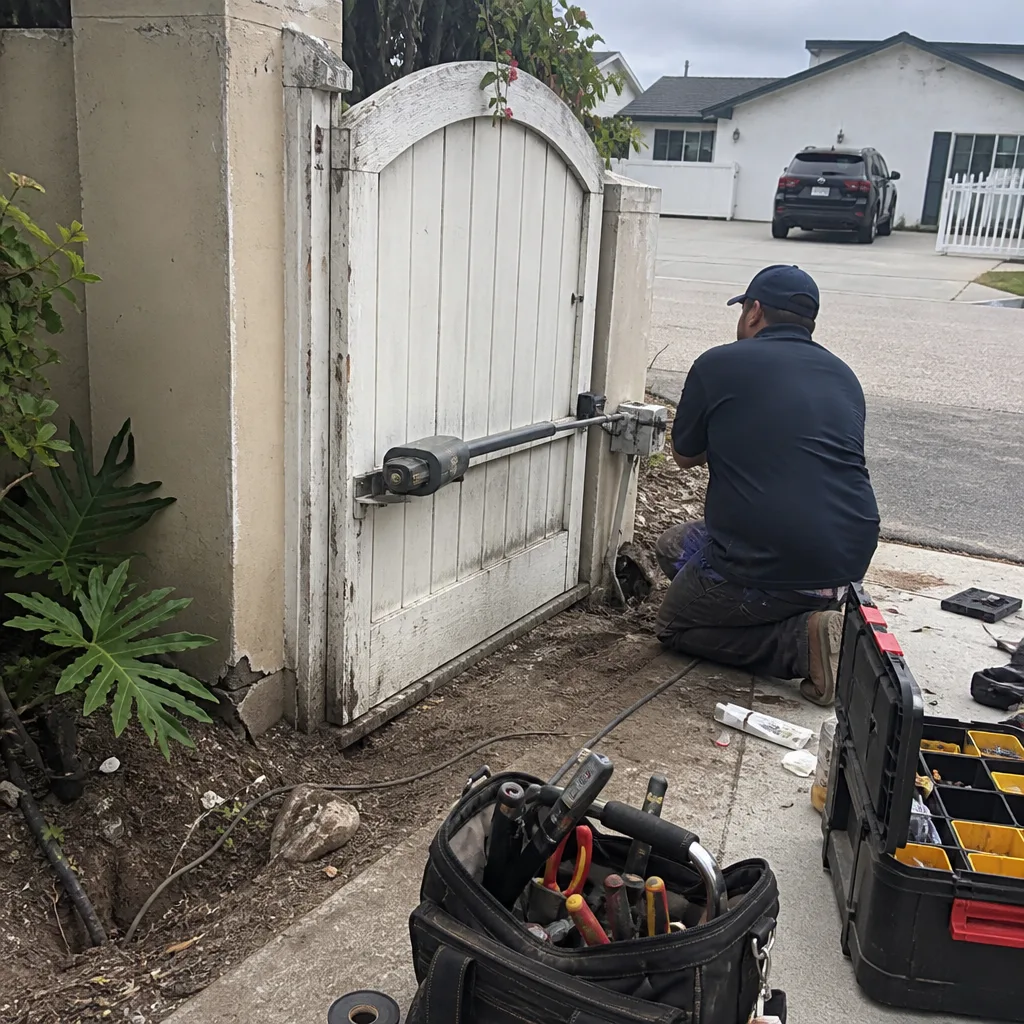 Before
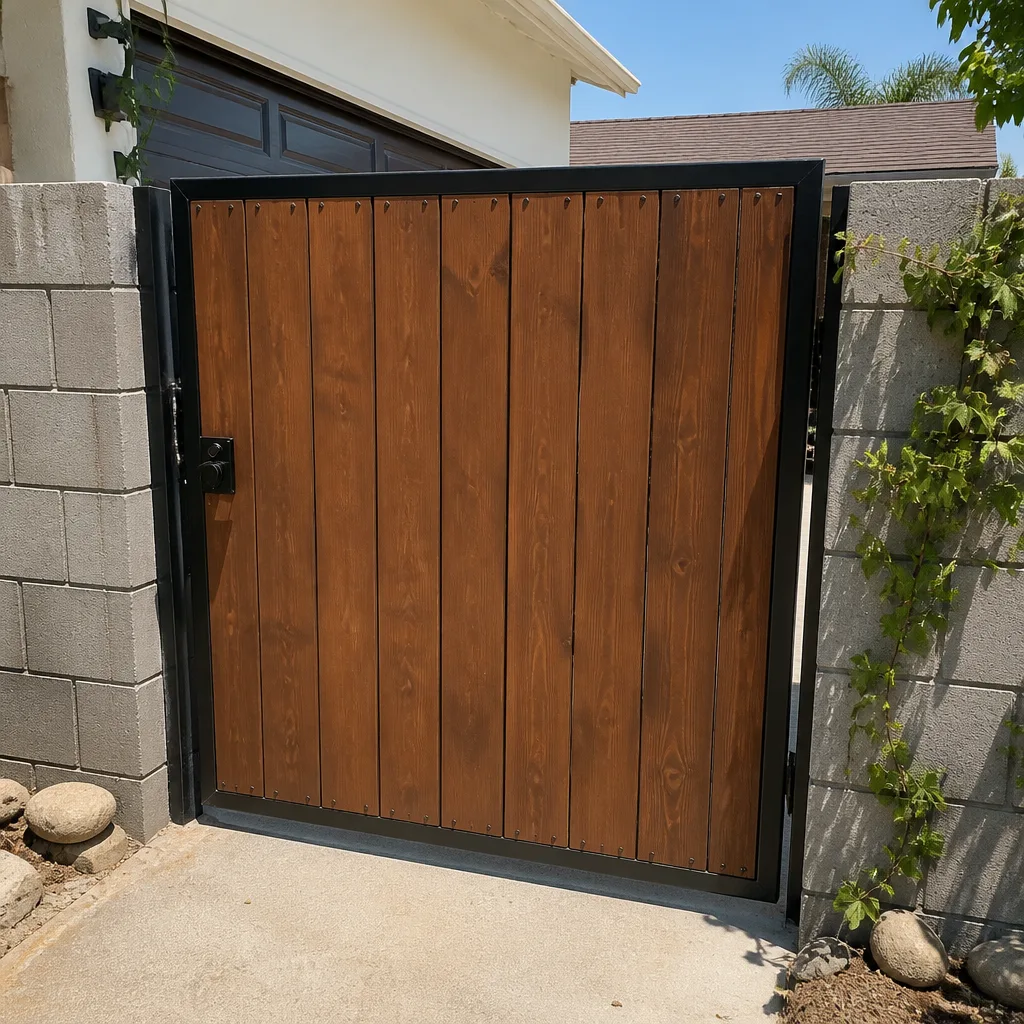 After
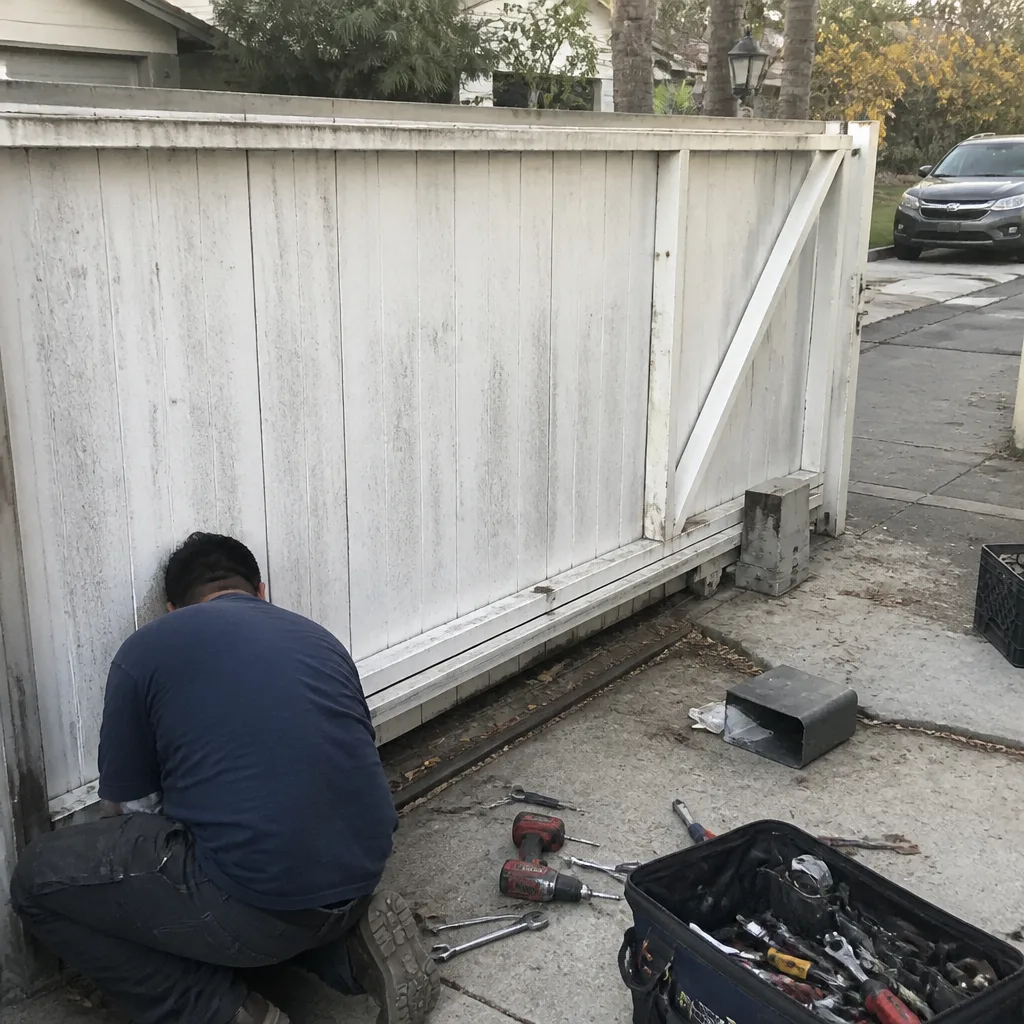 Before
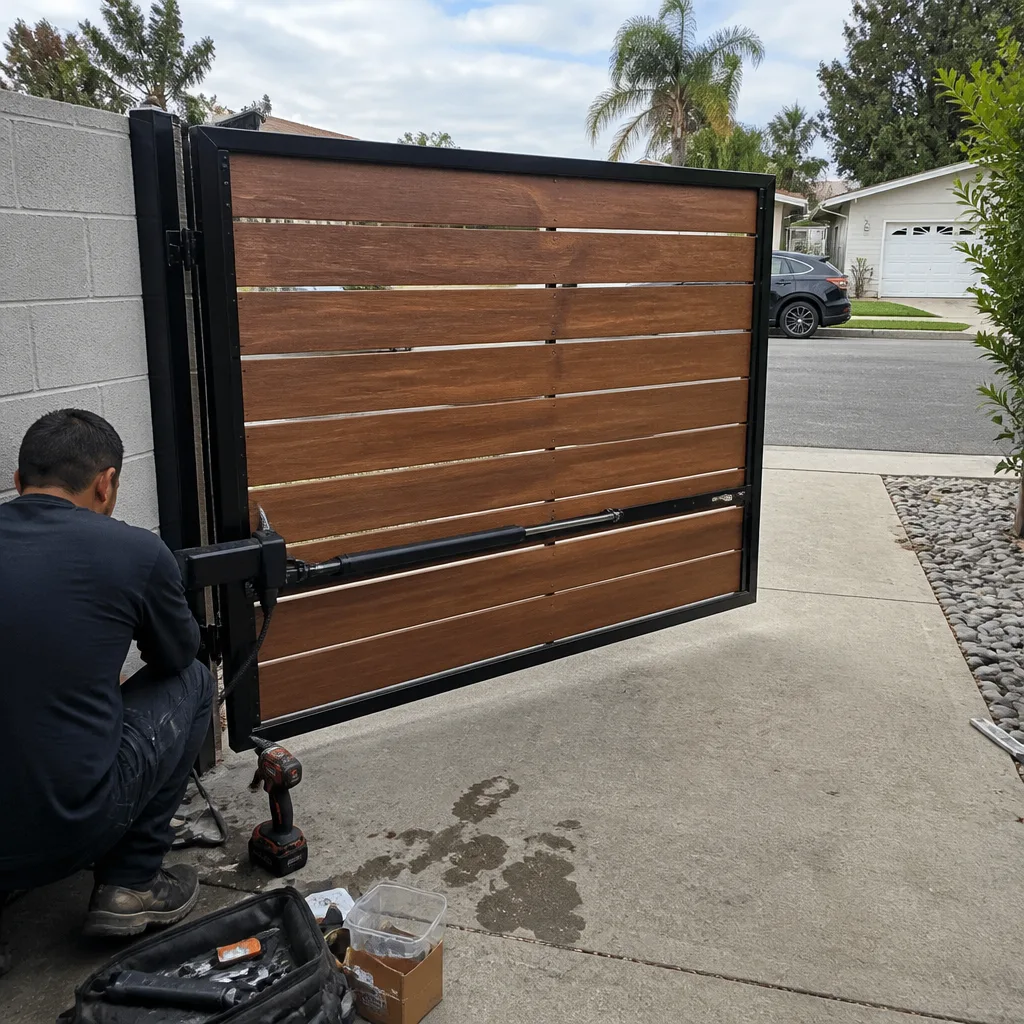 After
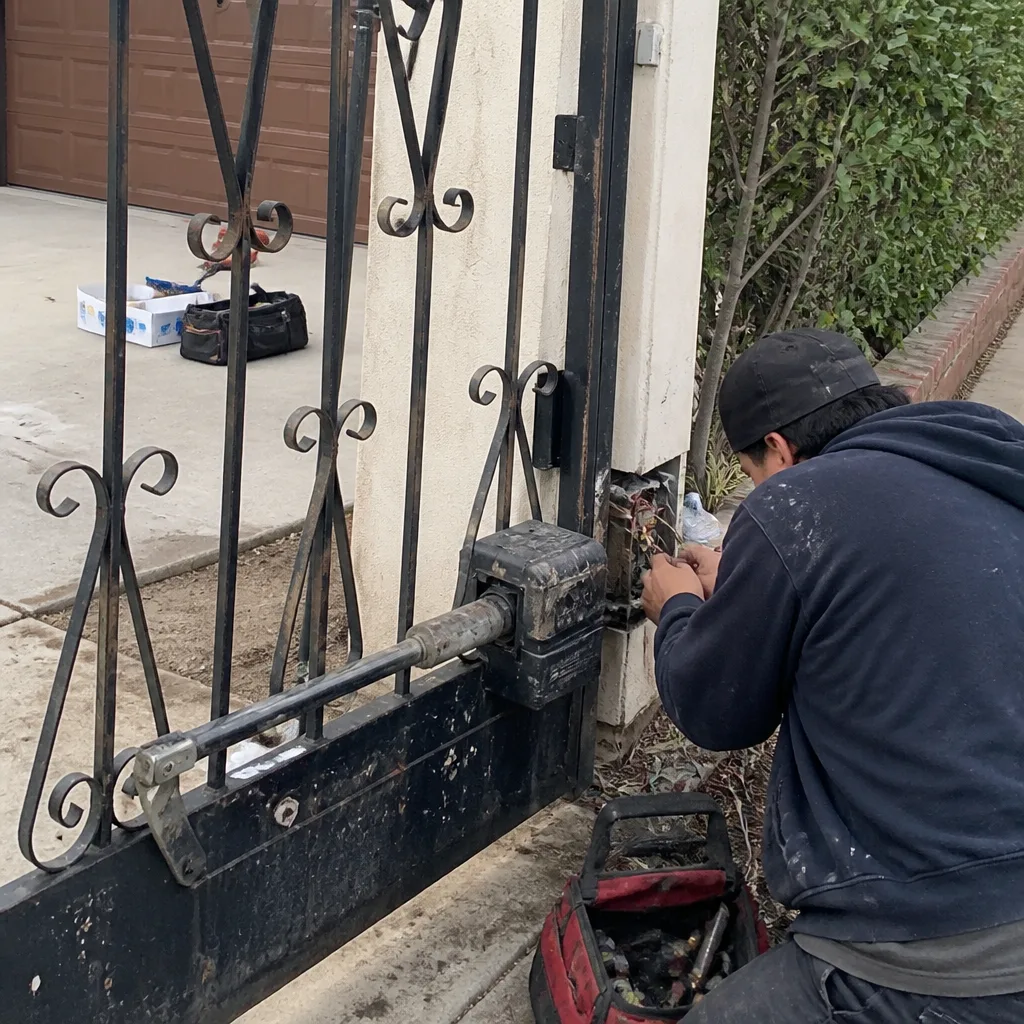 Before
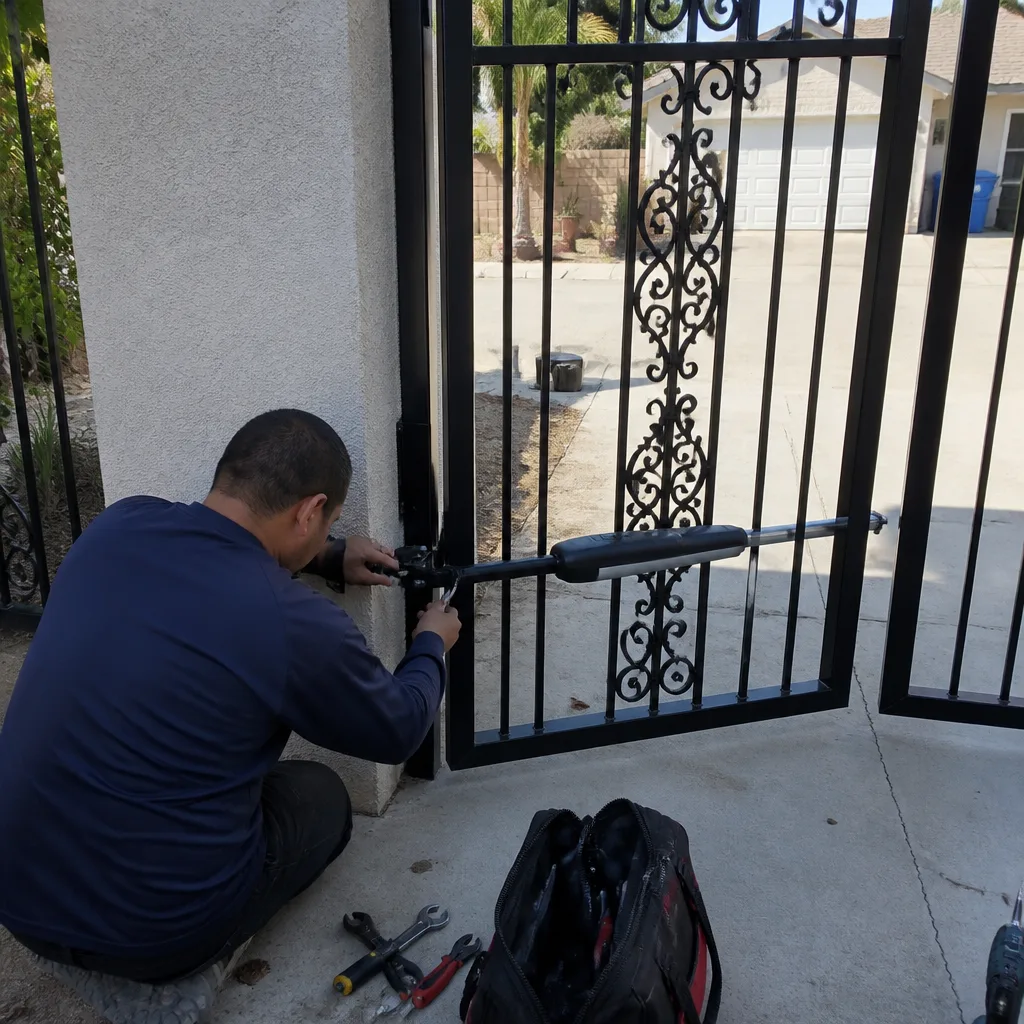 After